Get Full Government Meeting Transcripts, Videos, & Alerts Forever!
Get email alerts on the LCAP Special Education topic
No spam. Unsubscribe anytime.
Parents press Pasadena Unified to add explicit special‑education goals to LCAP
Summary
During a public hearing on the 2026–27 LCAP, parents and advocates said the draft lacks standalone, measurable goals and dedicated funding lines for students with disabilities and urged the board to disclose federal disproportionality findings and a CCEIS plan.
Parents and advocates used the LCAP public hearing to press the district on how it supports students with disabilities.
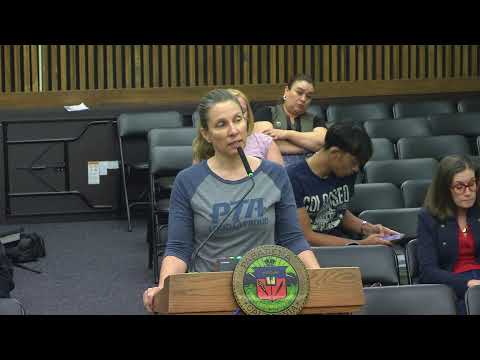
Diane Lewis, a long‑time Aladena resident and special‑education advocate, told the board the draft LCAP lacks specific, measurable goals and a dedicated funding line for the district’s roughly 2,182 special‑education students. She said the district’s LCAP shows a 32.3% chronic absenteeism rate for students with disabilities versus a 22.2% district average and called for the public release of any disproportionate‑identification findings and the district’s CCEIS (Coordinated Early Intervening Services) plan.
Dr. Chan Hill, presenting the draft LCAP, said special‑education actions and funding are embedded across goals rather than listed as a standalone goal. He told trustees the LCAP includes about $2.3 million in special‑education actions, and staff agreed to add clarifications and correct numeric errors in the LCAP’s public tables after trustees and commenters flagged inconsistencies.
Trustees asked for clearer presentation of how supplemental and concentration funds are marked as contributing or not, and for the district to show updated 2025–26 metrics when they are available. Dr. Hill said the district will post corrections and follow up with emailed clarifications.
The public hearing on the 2026–27 LCAP was closed at the end of the agenda item. Staff said they will continue to refine the draft and incorporate audience corrections and the validated student data that become available in the fall.
What happens next: staff agreed to accept emailed corrections to numeric tables and to update the LCAP with clarified funding attributions and additional documentation of consultation groups including the CAC.