Get Full Government Meeting Transcripts, Videos, & Alerts Forever!
Get email alerts on the Agenda Management topic
No spam. Unsubscribe anytime.
Council adopts monthly three-month agenda process; staff to flesh out consent/regular rules and scheduling
Summary
Council reviewed a proposed monthly special-meeting agenda-setting process with a rolling three-month look-ahead, asked staff for clearer consent vs. regular-item indicators, and directed staff to coordinate calendar conflicts for planning commission, open-space and Trestle affordable-housing items.
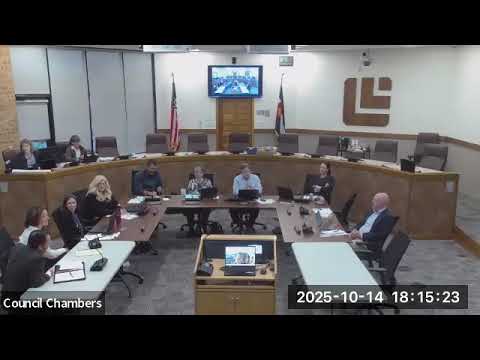
At the Oct. 14 special meeting, Lewisville council and staff outlined a new monthly process to review and set agendas with a three-month rolling forecast.
City manager Diana Langley presented a format intended to help staff and council distinguish consent items from regular business, include brief descriptions and presenters, and add metadata such as budget impact and prior hearings. Council members requested visual cues to separate consent items, a budget-impact column, and a clearer record of whether items have come before other boards or commissions.
Council discussed a series of upcoming calendar priorities: a joint meeting with the Planning Commission on Oct. 28 to review development-review process recommendations, a Nov. 3 meeting including budget adoption and community event sponsorship awards, a Nov. 10 Open Space Advisory Board presentation on acquisition priorities, and multiple December dates for board interviews, executive sessions and follow-up hearings. Council flagged the Trestle strategy group affordable-housing study and the comp plan draft as items that may require either special meetings or extended regular sessions to allow substantive public engagement.
Council members expressed preference for moving some heavy items into special meetings if feasible, but accepted staff's plan to try fitting some long discussions into regular business when necessary. Staff agreed to survey affected boards (for example the LRC) and participants to find mutually available dates and to prepare a clearer calendar “parking lot” that lists pending items and deadlines.
No votes were taken on the calendar; staff said it will proceed with the three-month look-ahead format and return refined materials, including proposed consent-item criteria and budget-impact notations, for council direction.