Get Full Government Meeting Transcripts, Videos, & Alerts Forever!
Get email alerts on the Housing Development topic
No spam. Unsubscribe anytime.
Residents and advocates clash over Canal Crossing pilot as council introduces related ordinances
Summary
The Jersey City Council unanimously introduced ordinances tied to a Canal Crossing redevelopment pilot that would use tax exemptions to support affordable units. Public commenters debated whether the pilot’s subsidy is needed to build affordable housing or whether it represents a long-term revenue loss for schools and services.
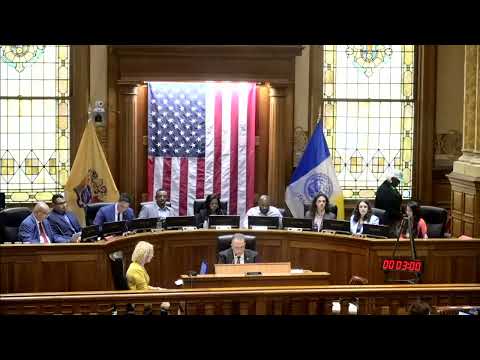
The Jersey City Municipal Council unanimously voted to introduce a package of first-reading ordinances on June 10 that includes companion measures authorizing long-term tax-exemptions for a Canal Crossing redevelopment project, a pilot proponents say will create new affordable units and revive a brownfield site.
Why it matters: The ordinances would let a developer use a multi-decade tax-exemption to subsidize housing that the city says will include deeply affordable units. Supporters argued the pilot is necessary to make construction financially viable; opponents warned the city could lose tens of millions in conventional tax revenue over decades and urged stricter terms.
Council action: The council read items 3.1–3.16 into the record and voted 9-0 to introduce them for first reading, sending them on for further review and public hearings before final votes.
What proponents said: Residents and housing advocates at the microphone described the site as a blighted, transit-poor former industrial parcel that the project would transform. A supporter summarized the math the developers presented: the project would generate $1.85 million a year under the pilot structure versus about $3.8 million of conventional taxes, and would deliver 102–104 affordable units, some targeted to 30% AMI. “A project that guarantees affordable units for lower income residents is absolutely essential to help keep Jersey City a place for all people,” said a housing-counseling representative.
What opponents said: Several residents and activists urged caution given the city’s fiscal strain. “You should not be voting on that abatement or any financial expenditures while we have a $255 million deficit and no budget,” said a public commenter who calculated a potential $55 million difference over 30 years between conventional taxes and the pilot payments. Other speakers urged homeownership programs over rental subsidies and asked the council to limit the length of abatements if approved.
Council context and next steps: Council members said they continue to press the administration and consultants for more financial detail and agreed to inter-departmental follow-up. Some members requested additional scrutiny of school-share calculations and Aspire tax-credit dependencies. The ordinances will return for second reading and final votes at a later meeting; the public may speak again before final action.
What to watch: The council’s negotiating posture—percent set-aside for affordable units, any payments to the education infrastructure capital account, and whether the project secures Aspire or other tax credits—will determine the net fiscal trade-offs and the timing of construction.