Get Full Government Meeting Transcripts, Videos, & Alerts Forever!
Get email alerts on the Budget topic
No spam. Unsubscribe anytime.
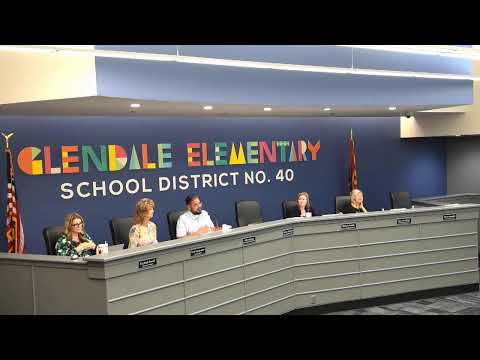
Glendale Elementary board approves proposed $76.7 million 2026–27 budget, cites enrollment decline and capital pressures
Summary
The Glendale Elementary School District governing board voted to approve the proposed 2026–27 expenditure budget after a presentation from district staff that projected a $76.7 million baseline, a modest tax-rate decrease, and continuing capital pressures tied to performance contracts and declining enrollment.
The Glendale Elementary School District governing board voted June 11 to approve the proposed 2026–27 expenditure budget after a presentation outlining key assumptions and projected pressures.
Mr. Mike Barrian, who led the budget presentation, said the district expects a baseline budget of about $76.7 million and anticipates a modest decrease in the district tax rate from roughly 5.9 to 5.6 — a change the presentation attributed to a roughly 5% increase in assessed valuation. "Seventy-six point seven million is what we believe the budget will be based on the information we know," Barrian told the board.
Barrian outlined enrollment and fund concerns the budget addresses. The proposed budget is built on an average daily membership (ADM) projection of 7,488 students and assumes a 2% employee pay increase. He warned the district expects continuing enrollment declines over time: "ADM is projected to decline another 20% by 2035," creating long-term revenue pressure. Barrian also told the board that under current expense levels the M fund would be about $900,000 short and that staff transferred roughly $4.5 million of M expenses into the classroom site fund to maintain solvency for next year.
The presentation flagged a $4 million budget-balance carry forward, which Barrian said is already trending lower and may be closer to $3.6 million once final figures are set. He described the district’s use of a performance-contracting vehicle for capital work (lighting, HVAC and similar projects) that spreads payments over time and is tied to anticipated utility savings.
Board members asked whether the district should wait for the state budget before approving its proposal. When a board member asked about timing, Barrian recommended approving the proposed budget and then making any adjustments after state action; he said revisions are allowed by law and typically occur before September. "Any changes to this budget that's being proposed will occur sometime after July," he said, and those adjustments can be captured in subsequent revisions.
A motion to approve the proposed 2026–27 expenditure budget was made, seconded and approved by the board. Recorded affirmative votes were taken from Mr. Hardmio, Miss Wilson, Miss Bartell and the chair.
Superintendent Cindy Sagata Jones told the board that a special study session and the formal budget hearing and adoption are scheduled for the district's June 25 meeting, and that the board will also hold three executive sessions requiring legal counsel at that time.
What happens next: the district will incorporate any state funding changes into later budget revisions (no later than September, per the timeline Barrian outlined) and will present state assessment data at the June 25 meeting as part of ongoing budget and performance discussions.