Get email alerts on the Capital Projects topic
No spam. Unsubscribe anytime.
Trustees approve $70,500 budget amendment for marshal's office construction overruns
Summary
Trustees approved a budget amendment not to exceed $70,500 to cover cost increases and change orders on the marshal's office Phase One construction, including a perimeter fence, an armory door, evidence locker and interior work.
Trustees approved a budget amendment not to exceed $70,500 to cover overruns on Phase One of the marshal's office construction project.
The presenter described rising material costs and architect-specified change orders that pushed the project over its originally finalized budget. Line items noted in the discussion included: a 310-foot perimeter fence estimated at about $25,000 (at roughly $65 per foot), an $10,000 armory door with digital lock, an evidence locker estimated at about $8,000, increased interior paint and furnishings, and other contractor costs. "We're projected go over at $70,500," the presenter said, identifying the requested amendment.
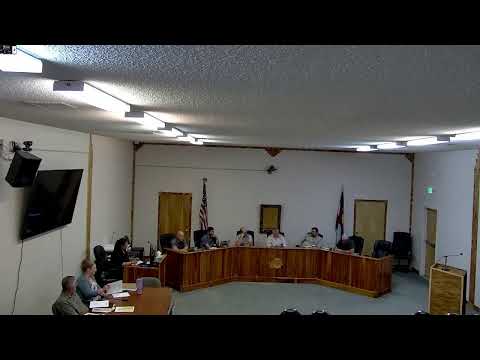
Board members asked about bid solicitation, security needs and whether additional overruns were likely; staff said the project includes electrical and plumbing work and that the listed items were the principal over-budget items. Trustees moved and approved the requested budget amendment by voice vote.
Why it matters: The amendment covers essential security and operational features for the marshal's office and authorizes use of contingency funding to complete Phase One without delaying construction.
The motion passed by voice vote; no roll-call tallies were recorded in the transcript.
AI generated
The text on this page is AI generated. Summaries, highlights, analysis, and video transcripts are all produced from the original source material.
AI can make mistakes, so if you spot one, and we will fix it for everyone.
Note: the source content is unaltered by us. Any content source we link to, be it a video, an audio recording, or a document, is presented exactly as its publisher released it. That publisher is usually a government body, sometimes an individual official or another organisation.