Get Full Government Meeting Transcripts, Videos, & Alerts Forever!
Get email alerts on the Pesticides And Wildlife topic
No spam. Unsubscribe anytime.
Sustainability commission adopts resolution urging limits on anti‑coagulant rodenticides, asks mayor to stop city use
Summary
The Bloomington Commission on Sustainability and Resilience adopted Resolution 2026‑05 calling on the mayor to direct city staff and contractors to cease use of anti‑coagulant rodenticides on city property and urging a local ban on glue traps; commissioners cited wildlife harm and identified two city contracts that currently allow rodenticide use.
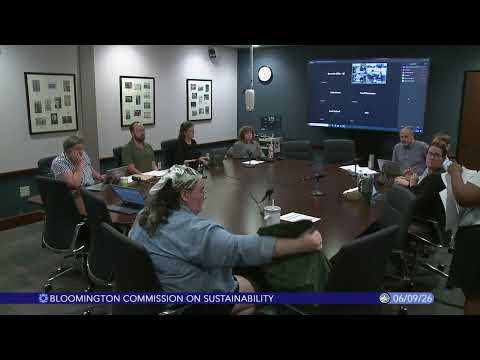
The Bloomington Commission on Sustainability and Resilience on June 13 adopted Resolution 2026‑05 urging limits on anti‑coagulant rodenticides and asking the mayor to direct city staff and contractors to stop using them on city property.
Commissioners debated scientific evidence and local implementation before approving an amended resolution by roll call. The amendment removed an ambiguous sentence in a whereas clause, required the chair to transmit the resolution within 10 days and asked staff to post the text online, and authorized the sponsor to speak to the city council about the measure.
Commissioners said two existing city contracts appear to permit use of anti‑coagulant rodenticides: a City of Bloomington Utilities contract (described in the meeting as a roughly $20,000 contract that runs through February 2029) and a Parks & Recreation contract that runs through 2028. The sponsor told the commission those contracts contain no product‑use guardrails and said a mayoral directive to stop using the chemicals on city property would be legal and likely the quickest administrative step.
The adopted resolution asks the city to cease use on municipal property, requests the mayor direct contractors likewise, recommends petitioning the state pesticide review board for a variance to allow local regulation of anti‑coagulant rodenticides, and calls for a local ban on glue traps — which the sponsor described in the meeting as “frankly just absolutely barbaric.”
The commission recorded a unanimous roll‑call vote in favor. Votes recorded in the transcript: Tara Dunderdale — yes; Rebecca — yes; Zack Ammerman — yes; Dave Rolo — yes; Quinton Gilly — yes; Alex Dor — yes; Diana Agradski — yes. The chair said the commission would send the amended resolution out and the sponsor would follow up with council as authorized under the amendment.
The resolution’s text notes scientific research on secondary poisoning and bioaccumulation and points to humane alternatives (for example, non‑bioaccumulative rodent contraceptives and mechanical traps) as options for pest control. It also requests information from Indiana University about product use on campus and asks for letters or stakeholder feedback to be incorporated as the initiative moves forward.
Next steps described in the meeting: the chair is to transmit the amended resolution within 10 days and staff was requested to post it on the commission website; the sponsor is authorized to speak before the City Council about the resolution. Any broader local ban on sale or use would require further legal review, and the commission noted state law could limit local action without a variance.