Get Full Government Meeting Transcripts, Videos, & Alerts Forever!
Get email alerts on the School Budget topic
No spam. Unsubscribe anytime.
Strongsville board hears dire five‑year forecast; administrators lay out levy and bond timing and options
Summary
Treasurer George Anagnostto and administrators presented a five‑year forecast showing increasing deficits (around $10M in FY26 and larger thereafter), a renewal levy expiry tied to $8.4M in revenue, and modeled levy/bond scenarios and filing timelines to avoid a cash‑balance shortfall in 2029–2030.
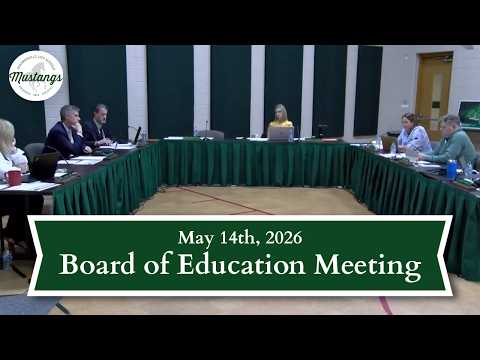
The Strongsville City School District presented a five‑year financial forecast on May 14 that shows persistent deficit spending and narrowing cash reserves, prompting administrators to press the board for direction on levies, reductions or bond timing.
Treasurer George Anagnostto told the board the district began FY26 with a deficit and is now trending to a roughly $10 million deficit for the year; next year’s projected deficit is in the mid‑teens. A renewal levy first passed in 2002 that generates about $8.4 million will expire tax year December 2026 unless renewed, which tightens the district’s revenue outlook. The county’s change to property tax advance schedules (moving to twice‑annual settlements) also reduces near‑term liquidity.
Administrators modeled scenarios: a November 2026 new‑money operating levy combined with renewals would produce revenue beginning calendar year 2027 and help stabilize cash balances, while delaying new money into calendar year 2027 would require a larger millage (their illustrative numbers showed a higher millage requirement if new money is delayed). The presentation emphasized the tradeoffs: timing of elections (November vs. May), political context (low pass rates historically for new‑money proposals), and construction‑cost escalation on a deferred bond project (administration estimated a 3–6% increase if the bond is delayed).
The board asked for a financial “goal line” (e.g., target cash days on hand) so staff can refine millage and reduction plans; administrators said reductions would need to be planned next school year to take effect in fiscal year 2027. The treasurer also warned that without action (renewal or new money) the district could face large annual reductions (the modelling showed scenarios requiring multi‑million dollar annual cuts). The board did not set a final strategy at the work session but scheduled follow‑up work to narrow options ahead of filing deadlines for possible November placement.