Get Full Government Meeting Transcripts, Videos, & Alerts Forever!
Get email alerts on the Student Advisory Board topic
No spam. Unsubscribe anytime.
Student advisory board urges clearer AI guidance, flags attendance and food‑service issues
Summary
Student advisory board members told the Metuchen Board of Education that students want clearer guidance on classroom use of AI, reported attendance‑scanning errors that created stress around final exemptions, and described new 'share tables' and a 'Share My Meals' partnership to reduce food insecurity.
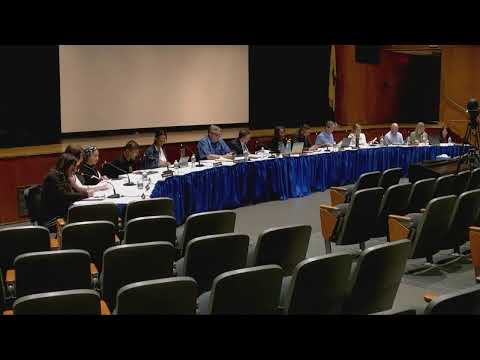
Students on the Metuchen student advisory board told the board on June 9 that their top priorities this year included school food‑service improvements, construction‑related learning benefits and clearer district guidance on artificial intelligence.
"One of the really important discussions that we had this year was about the food services in the district," said Sydney, a senior and advisory‑board representative, describing meetings with the district food‑service provider and the creation of cafeteria "share tables" where uneaten, unopened food can be left for others. The group also described a "Share My Meals" partnership coordinated with staff to recover food for students in need.
Caleb, another senior representative, said construction projects gave students insight into district planning and helped them understand how schools support learning, citing new cafeterias and fieldhouses installed at several buildings.
Students also pressed the board for clearer rules on AI in coursework. "Students are definitely using it more and we're asking for more resources on how to use it properly," Sydney said. Board members heard requests for explicit explanation of the district's AI detector policy and how AI guidance will affect college applications.
Advisory members raised concerns about the district's recently implemented attendance‑scanning system. "Many students reported attendance inaccuracies," said a student presenter, noting that resolving errors tied to final‑exemption eligibility has consumed time for students and teachers. The board was told that students appreciated when mistakes were treated as system errors rather than discipline matters but asked for a more efficient correction process.
Dr. Caputo and board members thanked the advisory board for regular feedback and said the district uses student input in committee discussions and policy work. The presentation concluded with students describing outreach methods used to gather representative feedback from peers, including grade‑level networks, extracurricular contacts and targeted meetings with food‑service staff to gather specific suggestions.
The board did not take formal action on the advisory board's requests during the meeting; directors said staff will carry the topics into ongoing committee discussions and policy reviews.