Get Full Government Meeting Transcripts, Videos, & Alerts Forever!
Get email alerts on the Stormwater topic
No spam. Unsubscribe anytime.
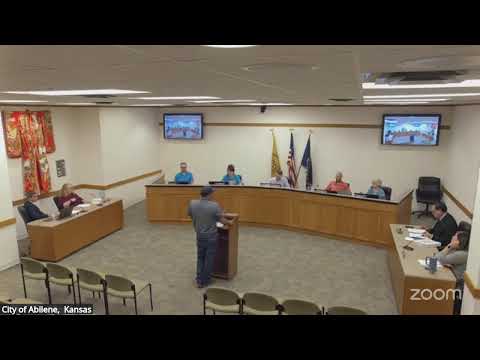
Abilene staff present storm‑water rate study showing possible large fee increases; study session set for June 22
Summary
Kansas Municipal Utilities presented two storm‑water fee scenarios that could raise the city’s $1.25 monthly drainage‑unit charge to about $2 under a break‑even plan; adding placeholder debt service for major projects could push rates materially higher. Commissioners requested more data and scheduled a June 22 study session to refine reserve and funding choices.
Beth Warren of Kansas Municipal Utilities told the Abilene Board of Commissioners the city’s current storm‑water charge is $1.25 per drainage unit and outlined two scenarios: option A preserves existing fees and draws down reserves; option B would raise the fee to about $2 per drainage unit (roughly a 60% increase) to restore break‑even operations and fund a $50,000 annual capital set‑aside.
Warren said the study also includes a placeholder $75,000 in annual debt service to illustrate how financing a large project would affect rates. Using that assumption — roughly modeled as a $1 million bond over 20 years at about 4% interest — staff estimated fees could be pushed higher (the presentation cited a figure in the mid‑dollars per unit when debt service is included). Warren emphasized the numbers are preliminary and that the $75,000 debt number is a placeholder to show scale rather than a firm project financing decision.
City staff recommended a three‑part capital and reserve approach: adopt a 180‑day operating‑reserve policy for enterprise funds (staff estimated 180 days at roughly $50,000–$60,000 for storm water, depending on year), create a dedicated storm‑water improvement fund and transfer amounts above the operating reserve into that fund, and develop a 10‑year capital plan identifying top projects and funding strategies.
Several commissioners pressed for more supporting data. They asked staff to provide a customer‑level breakdown showing how many drainage units are assigned to commercial versus residential users, historical operating expense detail, and a prioritized project list with estimated costs tied to specific projects (commissioners noted a south drainage project on the priority list that appears to exceed pay‑as‑you‑go funding). City staff said available audit records and prior studies informed the assumptions but agreed to bring more detailed documentation to the study session.
Staff also flagged policy choices that will determine the appropriate path: whether the commission wants to preserve current rates and draw down reserves, or establish reserve and capital targets that would make future rate increases smaller but more predictable. Warren and the city manager said grant funding and state/federal assistance (where appropriate) would be considered for very large drainage projects.
Next steps: the commission asked staff to return on June 22 with the priority‑project list, commercial‑customer breakdown (or meter survey results), and refined reserve and funding options so the body can consider a rate decision with clearer cost‑and‑project context.