Get Full Government Meeting Transcripts, Videos, & Alerts Forever!
Get email alerts on the Cannabis Regulation topic
No spam. Unsubscribe anytime.
Clinton board delays vote on cannabis dispensary rules after heated public hearing; will await county review
Summary
The Town of Clinton held a public hearing on a proposed local law to regulate adult‑use cannabis dispensaries. Multiple residents urged limits or bans, and the board agreed to delay any vote until Duchess County Planning issues its comments (due June 16).
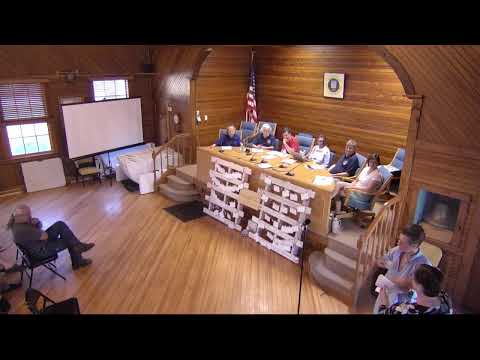
The Town of Clinton board heard more than an hour of public comment on a proposed local law to regulate adult‑use cannabis retail dispensaries and decided to delay a vote while it waits for county planning feedback.
At a public hearing called to order by the chair, a presenter explained the draft law’s purpose: to establish local parameters that must align with state statute and to implement the town’s regulatory approach rather than revisit the 2021 municipal decision that left the question open. The presenter said the town cannot adopt provisions that are more restrictive than state law.
Several residents urged restrictive limits or an outright ban. A commenter who identified himself as Russell and said he is a retired state trooper read excerpts from national reporting and described rising daily use and associated harms. “I’m totally opposed to any dispensaries in the town of Clinton at all,” he said, urging strict hours and no locations in hamlets near residences and schools.
Letters read into the record echoed those concerns. A letter attributed to Tomkins and another referencing Michael Whitten and long‑time residents argued that locating dispensaries in hamlets would conflict with the town master plan and harm community character and safety.
Board members and staff discussed technical drafting issues, including inconsistent distance requirements in the draft (references to 200 feet versus 500 feet for places of worship and schools) and the practical effect of different distance assumptions on the number of potentially eligible properties. One board member said a preliminary count using 500 feet produced roughly 80 potentially affected properties, but the presenter cautioned that the number was approximate and depended on the distance standard used.
Because Duchess County Planning still has 30 days to submit its comments (the board noted the county’s comment window runs through June 16), the town agreed to postpone a vote and resume discussion next month. No final vote or ordinance adoption occurred at the meeting.
Next steps: the board will review Duchess County Planning’s comments when received and reconvene the local debate at a subsequent meeting before any formal vote or action.