Get Full Government Meeting Transcripts, Videos, & Alerts Forever!
Get email alerts on the Budget topic
No spam. Unsubscribe anytime.
Worth County board adopts Resolution 2026-12 to amend FY25–26 budget after public hearing
Summary
After a public hearing, Worth County supervisors adopted Resolution 2026-12 to amend the FY25–26 budget, approving revenue and expenditure reallocations including WCDA-funded items, added equipment spending and a small watershed payment.
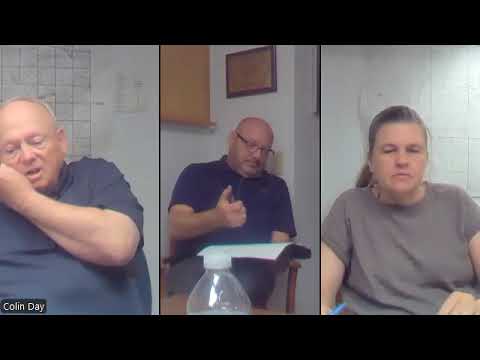
The Worth County Board of Supervisors opened a public hearing at 9:00 a.m. and adopted Resolution 2026-12 amending the county’s fiscal year 2025–26 budget.
Jackie, the auditor, told the board the amendments reflect revenue the county must show on both sides of the ledger and said the funds are "all WCDA money," with changes affecting the sheriff’s office, conservation and matching expenses. She said the proposal included an additional $250,000 for equipment and that she added $1,500 for the Winnebago Watershed. Jackie also said she moved an allocation originally recorded in "other capital outlay" into the buildings line so it would appear in the intended category; the transcript includes an unclear numeric phrasing for that transfer and the exact amount was not specified in the record.
There was no public comment during the hearing. After the board closed the hearing, members voted by roll call to adopt Resolution 2026-12. The chair announced the motion carried and the resolution was adopted.
Why it matters: the amendment reallocates WCDA and other receipts to specific county departments and establishes an equipment spending line the auditor flagged as necessary to cover an equipment motor repair, among other items. Supervisors said the change should carry the county through the fiscal year and reduce the need for interim transfers.
What’s next: the auditor will finalize the budget documents reflecting the adopted amendments and implement the reclassified capital outlay as described. The board took no action in the transcript that would require state approval beyond standard budget procedures.