Get Full Government Meeting Transcripts, Videos, & Alerts Forever!
Get email alerts on the Municipal Complex Financing topic
No spam. Unsubscribe anytime.
Hubbardston committee recommends state-ballot debt exclusion for municipal complex
Summary
The Municipal Complex Building Committee voted to proceed with cost estimates for two design options and unanimously recommended that the select board place a debt-exclusion question on the state ballot so voters can decide whether to borrow for the municipal complex.
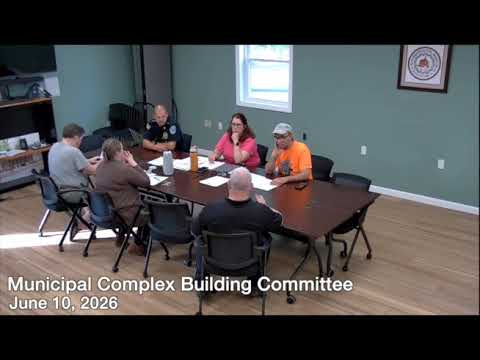
The Municipal Complex Building Committee voted June 10 to authorize cost estimates for two competing plans for the proposed municipal complex and unanimously recommended that the select board place a debt-exclusion question on the state ballot so residents can decide whether to borrow for the project.
The committee’s motion to move forward with parametric cost estimates for both plan one and plan two passed after members said the designer needs to provide dimensioned plans and that a focused six-week costing window would be sufficient once those changes are complete. The chair said the committee will ask the select board to place a debt-exclusion (a Prop 2½ debt exclusion) on the state ballot rather than pursue a separate special town election to maximize turnout and reduce cost.
Why it matters: A debt-exclusion vote would allow the town to exempt the borrowing for the municipal complex from Proposition 2½ limits for the life of the bond, meaning the tax increase would end when the loan is paid off. Committee members stressed the need to present clear, layman-friendly materials to voters and to explain per-household tax impacts rather than raw project totals.
Committee members flagged several next steps: obtaining dimensioned design plans from the architect, verifying whether the sanitary septic (Title 5) scope and capacity are included in the designer’s proposals, producing cost estimates (estimated six weeks after plans are finalized), and drafting clear voter information and mailings. The chair said she will request that the select board put the question on the state ballot at its next meeting and will work with the town administrator on filing deadlines and outreach materials.
On timing, members discussed trade-offs between placing the question on the November state ballot (higher turnout, cost savings for the town) and holding a special town election or special town meeting; the committee recommended the state election as the preferred option. The committee also acknowledged constraints tied to current tenant leases at the proposed site and said the town administrator should negotiate any necessary lease amendments.
The committee did not record detailed roll-call vote counts in the meeting transcript beyond announcements that the motions carried and that the recommendation to pursue the state-ballot route passed unanimously. The committee scheduled a follow-up meeting to refine materials and coordinate with the select board.