Get Full Government Meeting Transcripts, Videos, & Alerts Forever!
Get email alerts on the Emergency Medical Services topic
No spam. Unsubscribe anytime.
Montgomery County advanced EMT says paramedic school and 24/48 shifts are a heavy, but manageable load
Summary
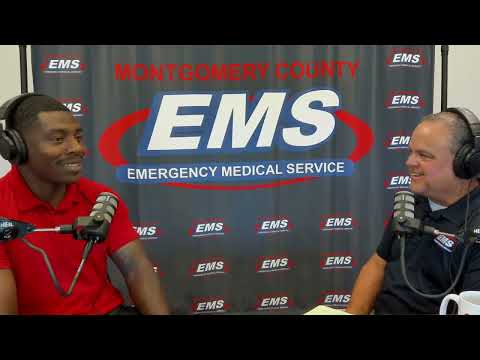
Anthony, an advanced EMT with Montgomery County EMS, told the "Chatting with the Chief" podcast on May 19 that he is balancing 24/48 duty rotations, clinicals and classroom work while attending paramedic school and expects summer precept rides to put training into practice.
Anthony (surname not provided), an advanced EMT with Montgomery County EMS, described on the May 19 "Chatting with the Chief" podcast how he is juggling 24/48 duty shifts, clinical rotations and paramedic coursework while preparing to step up to paramedic responsibilities.
He said he entered paramedic school because many departments in the Memphis area require paramedic certification and because the role offers additional clinical autonomy. "They actually require you to become a paramedic," he said, noting contractual requirements he observed during his earlier work in the Memphis area. "I like the autonomy that being a paramedic gives you."
Anthony traced his path from college football at the University of Memphis to work with Shelby County Fire Department, then a brief assignment in Sumner County, before joining Montgomery County EMS so he could attend paramedic school. He said he arrived at Montgomery County EMS in August 2025 and has been on the job roughly nine months.
On the logistics of combining school with a 24/48 schedule, Anthony said the time demands are substantial. "Paramedic school is...time consumption wise, man. I was not really prepared for how much time that was going to consume," he said, describing a cycle of work, class and clinicals that left him with limited days off. To manage the load, he prioritized efficient use of station downtime for studying and leaned on co-workers and mentors for guidance.
He emphasized the value of hands-on experience before and during paramedic training. "The best thing that's actually helped me become a better EMT is starting paramedic school," Anthony said, and added that prior time as an advanced EMT and on-scene experience made classroom concepts clearer. He has held an advanced EMT credential for about a year.
Offering advice to others considering paramedic school while working, Anthony urged preparation and mentorship. "Prepare for it," he said. "Reach out to somebody who has been through what you're going through." He described relying on colleagues, preceptors and former teammates for clinical tips and moral support.
Anthony said he is looking forward to summer precept rides and to applying classroom learning in real calls. "I'm 100% ready to be that guy," he told the host about taking on paramedic responsibilities. Beyond immediate training goals, he said he intends to pursue further critical-care training after initial paramedic certification.
The podcast episode was framed as a personal profile rather than departmental policy discussion; no formal actions or decisions were taken. The host closed by thanking Anthony, wishing him well for EMS Week and for completion of his paramedic program.