Get Full Government Meeting Transcripts, Videos, & Alerts Forever!
Get email alerts on the Elementary Schedule topic
No spam. Unsubscribe anytime.
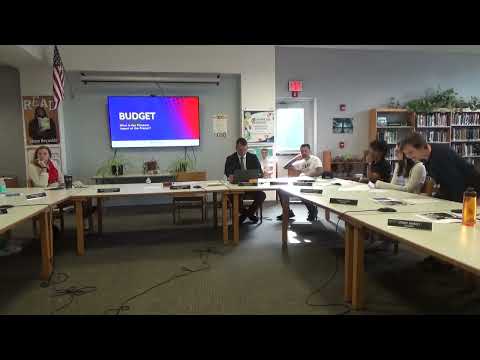
Fredonia proposes elementary schedule shifts to cover staff attrition; parents and students urge protections for music and library services
Summary
Facing budget pressure and two elementary teaching attritions, district leaders propose reassigning a computer teacher to fourth grade, adding STEM/computer minutes, adding health education, and reallocating library staffing to meet state high-school library rules; public commenters urged the board to preserve chorus, library and supports for vulnerable students.
District administrators presented proposed elementary schedule changes intended to absorb two teacher attritions while protecting instructional time and core services. The administration said the revisions prioritize staffing efficiency, increase targeted instructional minutes and add health education, while maintaining program offerings where possible.
Key elements: the district will reassign the elementary computer teacher to a fourth-grade classroom to keep fourth-grade class sizes near 20 students; STEM and computer instruction will be adjusted so students still receive focused technology instruction (administrators said STEM/computer programming will receive roughly 10 additional instructional days). General music and art were also scheduled for about 10 additional days of instruction, and chorus would move from a five-day rotation to a four-day rotation—which could increase the number of chorus sessions from about 33 per year toward a potential 45 if fully implemented. Administrators said they are working with music staff to keep the actual number of chorus sessions close to current levels. The administration also described a staffing change in the district library: state regulations require direct certified library media instruction for seventh- and eighth-grade students in larger high schools, and the district intends to reallocate its certified library media specialist to satisfy those requirements; elementary library lessons will continue but will be taught with a combination of a library clerk, teaching assistants and scheduled class visits.
Administrators stressed that the schedule changes are designed to preserve programming while increasing classroom instructional time for literacy and core subjects. Mr. Gallinger (elementary scheduling lead) said classroom teachers requested more daily instructional minutes and that the schedule changes are an attempt to meet that request while preserving special-area access for students. Dr. Wright explained the library staffing change as compliance with state certification rules and described how teaching assistants and the library clerk will support elementary book checkout and mini-lessons.
Public commenters pushed back. Student Ray Dy said reducing or reorganizing specialist positions risks weakening music education, library experience, and student supports; Ray asked for specifics on how class time will be organized and how many minutes students will receive. Parent and special-education teacher Brianna Kelly said the plan would place unreasonable new expectations on classroom teachers, weaken specialized instruction, and risk long-term harm to the district’s strong music and literacy reputation.
Board members and administrators responded that they are continuing discussions with music staff to determine session counts and said they will provide written schedule specifics to the board and the public. The administration committed to continuing dialogue with teachers and parents and to providing professional development and operational details where needed.
What’s next: administrators will return with refined schedule details after further meetings with music teachers and elementary instruction teams; the board will consider the final schedule as part of budget implementation and staffing decisions.