Get Full Government Meeting Transcripts, Videos, & Alerts Forever!
Get email alerts on the Civil Rights topic
No spam. Unsubscribe anytime.
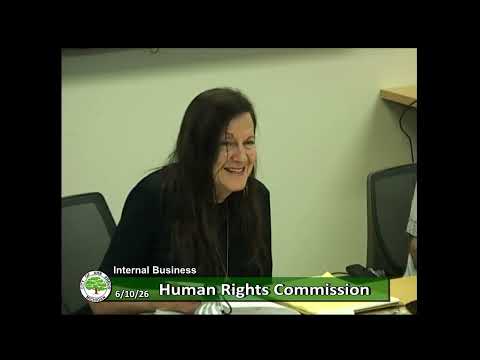
Commission discusses impact of recent Supreme Court guidance on local conversion-therapy ordinance
Summary
Commissioners reviewed how a recent high-court decision narrowing limits on professional speech could affect parts of Ann Arbor’s conversion-therapy ordinance, and said the ordinance’s severability clause may preserve prohibitions on aversive, non-talk treatments.
Commissioners reviewed potential legal effects of recent Supreme Court guidance that narrowed portions of a Colorado conversion-therapy ordinance relating to limits on licensed professionals’ speech. A commissioner said the court focused on the First Amendment in striking speech-related provisions in another city’s ordinance, and that the commission has asked a member to draft revisions to ensure the ordinance’s remaining prohibitions (for instance, aversive or non-consensual treatments) remain enforceable.
Why it matters: Commissioners emphasized that while ‘talk therapy’ limits may be vulnerable to constitutional challenge, non‑communicative, aversive treatments remain squarely within local authority to prohibit. The commission noted the local ordinance contains a severability clause intended to allow removal of vulnerable speech clauses while preserving other prohibitions.
Details and legal framing: The commissioner walked members through the distinction between counseling/speech and treatment that involves aversion techniques, medication or forced procedures; commissioners said they expect future complaints or legal challenges and that the commission will monitor complaints and the attorney’s guidance. Judah, the commission’s attorney, is positioned to advise on case referrals and any necessary ordinance edits.
Next steps: A commissioner reported that a named commissioner (Quita) is preparing a rewrite of the local ordinance to reflect recent case law; the commission will await proposed language and may refer complaints to staff or the attorney for legal assessment when they arise.