Get Full Government Meeting Transcripts, Videos, & Alerts Forever!
Get email alerts on the Employee Benefits topic
No spam. Unsubscribe anytime.
Subcommittee recommends adding child-bonding leave and option to advance sick time to employee handbook
Summary
The subcommittee approved forwarding handbook language to create a seven‑day child‑bonding leave, allow up to 30 working days of sick‑time use during approved bonding leave, and permit advancing up to 10 sick days (to be repaid from future accruals if the employee separates).
The Policy Subcommittee on June 9 voted to forward to the full Holyoke School Committee an amendment to the employee handbook that creates a limited child‑bonding benefit and an option to advance sick time for bonding purposes.
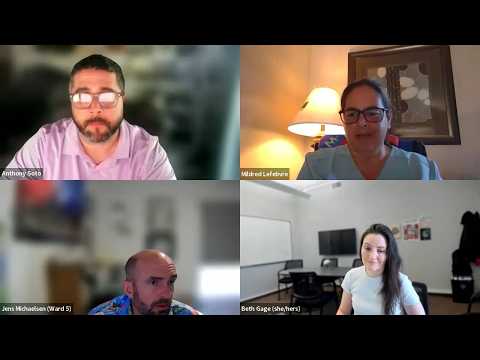
HR presenter Beth Gage said the proposal would provide seven days of child‑bonding leave that would not be charged to an employee’s accrued time and would allow employees on approved bonding leave to use up to 30 working days of sick time during that period. "The proposed change here is currently our sick policy — we'd like to give them the added benefit of the 7 days of child‑bonding leave ... and, in addition, they would be able to use up to 30 working days of sick time during that period," Gage said.
Public commenter Joel McAuliff, an HPS employee who said his wife is due in September, urged a broader alignment with federal Family and Medical Leave Act (FMLA) allowances. "An employee can get up to 60 days of FMLA for child bonding ... this policy limits the use of any sick time to 30 days," McAuliff said. "I would ask that the committee consider allowing the use of benefits for those full 60 days to allow our employees to be able to use them." The subcommittee did not adopt a 60‑day paid bucket at this meeting but discussed that usage often rises after a benefit is implemented and that costs must be estimated.
Members debated how the proposed language would interact with FMLA, any municipal-paid family‑leave program (PFMLA) if the city later adopts one, and the fiscal and staffing consequences of long absences for positions with specialized duties. Superintendent Mr. Sodto and others noted the district commonly uses stipends or temporary hires to cover responsibilities during extended absences.
After discussion, the subcommittee approved an amendment allowing the district to advance up to 10 sick days the employee is expected to accrue during the remainder of the applicable school year; any unearned advanced leave would be repaid from final pay or otherwise reimbursed if separation occurs. The amendment mirrors language in other district contracts and was adopted by roll call.
Next steps: The amended handbook language will be forwarded to the full school committee for review; the subcommittee asked administration to confirm how the change will align with the district’s existing unpaid‑leave policy and with any future municipal PFMLA adoption.
What the motion included: a tracked‑change paragraph providing the advance (front‑load) option for up to 10 sick days to be repaid if the employee leaves before earning them back.