Get Full Government Meeting Transcripts, Videos, & Alerts Forever!
Get email alerts on the Education Programs Curriculum topic
No spam. Unsubscribe anytime.
Parents and students clash over Living Lessons speaker; board pledges clearer guidelines
Summary
Public comment at the Montville Township Board meeting split over a Lazar Middle School Living Lessons speaker; critics demanded balance and optical corrections, program defenders and students urged preserving the program, and district leaders said they will adopt clearer procedures for presentations on sensitive topics.
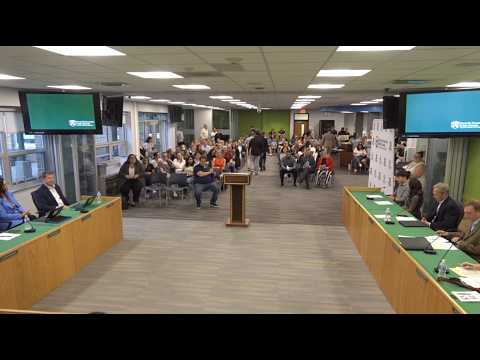
A heated public‑comment session at the Montville Township Board of Education meeting focused on the district's Living Lessons program after several parents said a May speaker at Lazar Middle School presented without sufficient context or balanced perspectives.
Critics described the speaker — identified at the meeting as a survivor who had been at the Nova Music Festival attack on Oct. 7 — as an inappropriate choice for middle school students without advance notice and additional context. Melissa McCutchen, who identified herself as a Montville resident and church member, urged the board to consider adding Id al‑Adha to the 2027–28 calendar and said the district had seen large absences during the holiday; she also called for clearer handling of sensitive topic presentations. Other speakers pressed the district for transparency about funding, a recording of the presentation and invitations to qualified Palestinian or Palestinian‑American speakers to present alternative perspectives.
Supporters of Living Lessons defended the program as nonpolitical and educational. Judy Goad, who said she created Living Lessons in 2005, told the board the program is "not a political program. It is not a forum for debate," and that presenters are selected for the educational value of their lived experience. Middle‑school students who spoke described the program as impactful; one student, Bod Uden, said Living Lessons "gives students the chance to hear stories that cannot be found in a textbook" and urged the board not to eliminate it.
Board response and next steps: District leadership thanked commenters and said the program's intention is to foster empathy through firsthand accounts. Board staff said the district will develop clearer guidelines and procedures for Living Lessons and other programs that address emotionally charged or geopolitical topics — including advance parental notice, clearer educational objectives and consideration of balance when appropriate.
What remains unresolved: Speakers on both sides asked for specific remedies: critics requested a public district statement addressing the Lazar presentation and for additional speakers representing Palestinian perspectives; Living Lessons’ organizers said the session aligned with the program’s mission as presented. The board committed to drafting procedures but did not immediately order additional speakers or release a recording at the meeting.