Get Full Government Meeting Transcripts, Videos, & Alerts Forever!
Get email alerts on the Budget topic
No spam. Unsubscribe anytime.
School board hears LCAP Year 3 and budget plan that includes 13 planned teacher reductions
Summary
Mountain View School District presented its 2026-27 Local Control Accountability Plan (Year 3) and a budget overview showing a fiscal stabilization plan that includes a proposed reduction of 13 certificated positions and a multi-year projection to eliminate an unrestricted structural deficit by 2028-29.
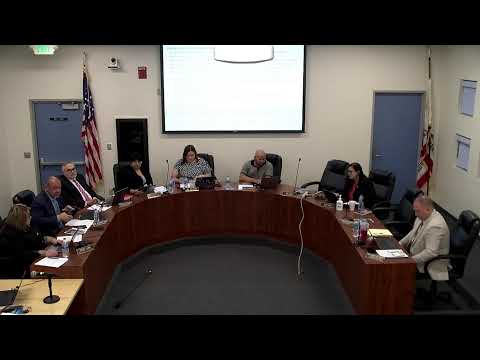
Mountain View School District officials presented the Year 3 Local Control Accountability Plan (LCAP) and an adopted-budget overview on June 11, outlining strategies to address declining enrollment, workforce shifts and rising costs.
The budget presentation noted a conservative 6% enrollment decline assumption and reviewed state-level proposals the district is watching, including a 2.87% projected cost-of-living adjustment and a proposed supplemental 1.44% intended to help districts manage enrollment and operational pressures. The presenters said the governor's budget also proposes increased special-education funding that could ease general fund pressures.
"As of right now, we meet the qualifications to file a positive certification on our district's budget," said the budget presenter from the district's finance team (presenting for Dr. Dean's team). The presentation projected that, if assumptions hold and the fiscal stabilization plan is followed, the district's structural unrestricted deficit could be eliminated by the 2028-29 school year.
The fiscal stabilization plan the board reviewed includes strategic hiring, use of natural attrition, and targeted reductions and reallocations. The presenter said the 2026-27 adopted budget incorporates planned reductions that include 13 certificated positions tied to enrollment shifts; later-year reductions in management and classified positions are modeled in the multi-year projection.
Board members asked technical questions during a Q&A about why unrestricted certificated salary projections rise in some slides while the combined general fund certificated total declines; the presenter explained that the change largely reflects the closing and realignment of restricted grants and the district's practice of allocating grant-funded positions where possible. "We moved salaries where we can to make the best use of restricted funds," the presenter said.
Trustees also asked about health benefit costs and whether the district should join a different benefits pool; the finance team said the district regularly evaluates options and, after a recent review, judged the current pool to be the best fit for their employee population. The budget team explained indirect cost recovery (a small percentage charged to administered grants that helps offset administrative overhead) and described "safety credits" tied to insurance pools and workers' compensation outcomes, which can modestly reduce premiums when claims decline.
The presentation included an update on the district's bond rating; the presenters said the district holds a strong A+ bond rating for its size and recently used refinancing to save approximately $2 million for the community.
The board opened public hearings for both the draft LCAP and the proposed 2026-27 budget; no public comments were made during those hearings and both hearings were closed at the meeting. The LCAP presenter said the LCAP Year 3 continues priorities on literacy, improved math instruction via framework-aligned professional development, supports for English learners and foster youth, and student wellness efforts including PBIS and wellness rooms.
Next steps on the LCAP and budget were described as routine: staff will return with final documents for board consideration in the coming meeting cycle. The fiscal presentation emphasized that adjustments will continue as state budget details and audited actuals become available, with interim reports lined up later this year.
Actions taken at the meeting included roll-call approval of routine consent-series items that contained other operational approvals; the transcript shows specific series motions carried by roll call. The board also pulled one agenda item (Item B) for later consideration.
What happens next: the district will monitor the state budget process and enrollment trends and present interim updates in the fall and winter. If enrollment or revenue assumptions change materially, the board may be asked to approve additional adjustments to remain on the multi-year plan to eliminate the structural deficit.