Get Full Government Meeting Transcripts, Videos, & Alerts Forever!
Get email alerts on the Compliance Commission topic
No spam. Unsubscribe anytime.
Harwich Charter Commission centers debate on compliance commission as public meetings near
Summary
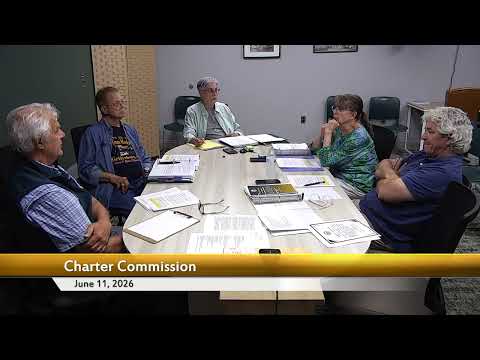
Charter commissioners spent the June 11 meeting weighing whether to include a compliance commission in the draft charter, agreeing to add public education and outreach before a final decision and scheduling a dedicated compliance session on July 2.
The Harwich Charter Commission devoted much of its June 11 meeting to debating whether to include a proposed charter compliance commission in the town’s draft charter. Commissioners said the question has proved the most contentious among the subjects scheduled for public discussion at the June 18 meeting and signaled plans for additional outreach and a dedicated compliance meeting in early July.
Supporters argued a compliance commission would give residents a non‑judicial forum to raise concerns and would focus on education and corrective action rather than punishment. Commissioners discussed models used elsewhere — notably a three‑member compliance body in Province Town — and considered lowering the threshold to file a complaint from a single registered voter to a multi‑signatory requirement as a way to reduce frivolous filings.
Opponents cautioned that the compliance proposal could alienate undecided voters and risk sinking the full charter on the ballot, because voters in Harwich will cast a single yes/no vote on the full proposed charter rather than on separate chapters. Several members urged softer, educational language and removing provisions that would create legal enforcement mechanisms, proposing a phased approach in which a milder compliance structure could be placed now and stronger enforcement considered later if the public supports it.
To gauge community support, commissioners agreed to schedule a focused compliance discussion for July 2 and to use the June 25 debrief to analyze feedback gathered at the June 18 public meeting. They also discussed preparing explanatory materials — including a possible Chronicle article and opinion pieces — to explain the commission’s rationale and to clarify the difference between education‑oriented compliance functions and legal enforcement.
Members asked for legal review options before finalizing language for the preliminary report. Some commissioners preferred retaining an outside municipal counsel with charter experience rather than relying solely on the town’s current counsel; others noted that the Attorney General’s office will ultimately review the preliminary report for legal compliance.
Next steps: the commission will collect public input at the June 18 meeting, debrief on June 25, hold a compliance‑focused session July 2, and aim to have a draft report ready for state submission by early September.