Get Full Government Meeting Transcripts, Videos, & Alerts Forever!
Get email alerts on the School Technology topic
No spam. Unsubscribe anytime.
District highlights cybersecurity wins, penetration test and new classroom tech
Summary
Corsicana ISD staff told trustees the district completed a penetration test (CHS rated highly secure), rolled out Lightseed monitoring and web-filter tools, is participating in the Texas Cybersecurity Initiative (projected ~$50,000 annual savings), and plans AI-use and student-data privacy updates under House Bill 18.
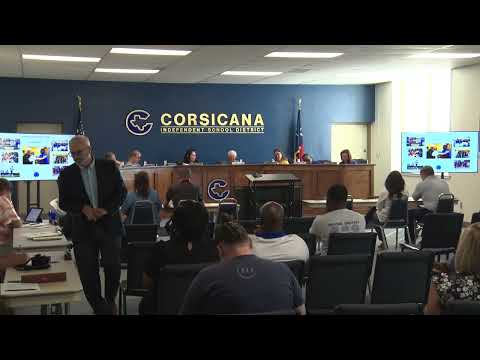
Corsicana ISD technology staff briefed the board on a slate of infrastructure and cybersecurity updates at the June 8 meeting, including hardline-to-LTE phone conversions, new student-safety monitoring tools, a penetration test that praised CHS security, and policy steps to comply with state law on student-data protections.
The district converted 32 legacy phone lines (used by fire panels, elevators and alarm systems) to LTE wireless with dual-SIM failover, a vendor-supported change the presenter said reduced annual operating costs. The district contracted with RCN Technologies for the migration.
The district introduced two products from Lightseed: Lightseed Alert (continuously monitoring student activity on district devices, with human review to reduce false positives) and a web filter. Technology staff described Lightseed Alert as providing "full visibility on any keystroke" in order to flag self-harm, threats, bullying or hate speech; alerts are human-reviewed before being sent to campus staff.
The district also completed an external penetration test, including a physical access exercise. "They said CHS was considered the most secure building that they have ever worked in," the presenter said, crediting campus security practices. Staff will act on the testers' recommendations and run a follow-up test in a few years.
On student-data protections, the presenter outlined House Bill 18 requirements: transparent disclosure of vendor data-collection practices; minimizing student-data collection and preventing unauthorized sharing; and prohibitions on targeted advertising or financial transactions using student data. District staff pointed trustees to an approved-application list on the district technology webpage and said they already use student-data privacy agreements with vendors.
Other updates included rollout of new teacher devices and docking stations, first-year districtwide Chromebooks with reduced support tickets, implementation of Alyssa's Law panic buttons in classrooms (SB 838), Red Sky 911 enhancements that pass classroom- and hallway-level location to dispatch, and planned summer IT work on SSDs, RAM and a boardroom AV refresh.
Staff also described state-required annual AI training for employees and proposed adding AI-use language to the district's acceptable-use policy to clarify that AI is a support tool, that staff must protect PII and that student AI use requires teacher permission and crediting of sources.
District staff offered to provide the board with the Lightseed alert statistics after checking the dashboard and to deliver the penetration-test executive report to trustees on request.