Get Full Government Meeting Transcripts, Videos, & Alerts Forever!
Get email alerts on the Community Schools topic
No spam. Unsubscribe anytime.
Williams Elementary highlights community‑school grant, sharp gains in student‑survey measures
Summary
Williams Elementary’s principal and community school coordinator told the school board that a California Community Schools Partnership Program grant is funding wraparound services and family supports; the school reported enrollment of 542 and spring‑to‑spring survey gains (school safety and connectedness rose to about 81%).
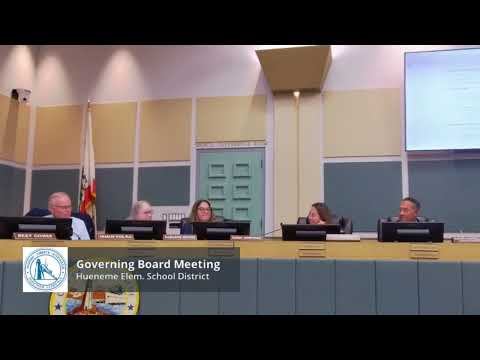
The Williams Elementary principal and the school’s community school coordinator presented a year‑end update to the Wini Elementary School District board on efforts to strengthen student supports and family engagement.
The principal, who introduced herself as the school’s principal, said Williams enrolls 542 students, has a high Latino population, a Filipino student cohort of about 9–11%, roughly half the students designated as English learners, and approximately 90% of students who are socioeconomically disadvantaged. She said 11% of students are identified for special education and the school currently staffs 25 classroom teachers, with a projected staffing level of 22 next year.
“The banner in our cafeteria reminds our kids to be respectful, kind and responsible,” the principal said, describing a visible schoolwide focus on social‑emotional supports. She credited community partners — including a volunteer program called Kindness Is Free — and the school’s counseling and wellness supports with helping students feel safe at school.
The community school coordinator, Bautista, told the board Williams is one of four district schools awarded the California Community Schools Partnership Program grant and described how the grant funds wraparound services. “Our goal is to focus on the whole child and wraparound service to improve student learning,” Bautista said, noting coordinated steering‑committee work, food‑share distributions, and summer student packs provided with the district’s Healthy Start office.
School leaders pointed to recent survey data as evidence of improvement. They said results from the California Healthy Kids and Panorama surveys showed sizable spring‑to‑spring gains: school safety and connectedness each rose to about 81% favorable, and adult expectations increased to about 90% favorable in the fifth‑grade cohort. The principal said meaningful student participation remains a growth area (rising from about 40% to 46% in one measure) and that the school will continue efforts to increase student voice.
Presenters described instructional supports and assessment tools used to guide small‑group interventions, including Panorama reporting and automated progress monitoring. They also highlighted extracurricular and family‑engagement initiatives — college‑bound visits to Oxnard College, a new Filipino‑Asian parent council, outdoor education programs, student council civic‑education activities, and a recently reopened Wellness Den.
School staff described an active parent‑engagement strategy (cafecitos, family nights, home‑practice workbooks) and a food distribution program that, staff said, delivered roughly 200 boxes on one early distribution and later reported distributing about 235–250 boxes at other events. Bautista said the food‑share and family outreach will continue through the summer.
Board members thanked school staff for the update. The presentation concluded with no board action; staff said they will return with follow‑up details as appropriate.