Get Full Government Meeting Transcripts, Videos, & Alerts Forever!
Get email alerts on the Retirement Benefits topic
No spam. Unsubscribe anytime.
Committee fast-tracks surviving-spouse benefit increase for patrol, DCI and warden retirees
Summary
House Bill 41, advancing Feb. 12, raises the surviving-spouse retirement benefit for certain patrol/warden and DCI retirees from 62.5% to 90% and the committee adopted an amendment making the change effective immediately on enactment.
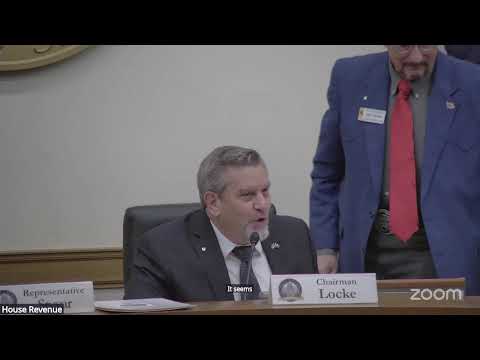
The House Revenue Committee on Feb. 12 unanimously advanced House Bill 41 to increase surviving-spouse retirement benefits for specified categories of law-enforcement retirees.
Representative Joe Webb introduced the bill as a parity measure: it inserts benefit language into the retirement article that mirrors other peace-officer retirement provisions and raises the surviving-spouse benefit from 62.5% to 90% of the retired member''s benefit in cases of line-of-duty death. Webb told the committee actuaries and retirement-system staff expected any increase in plan liabilities to be minimal and likely within measurement error.
Colonel Tim Cameron, administrator of the Wyoming Highway Patrol, testified in support and noted the patrol has experienced two line-of-duty deaths in its history; he described the bill as "of great comfort to our troopers" and to surviving spouses. Committee members discussed whether the bill would affect employee contributions or other plans; Webb said the change should not materially impact contributions. The committee accepted an amendment to make the bill effective immediately and then voted the bill out of committee by roll call (eight "aye," one excused).
Ending: HB 41 will proceed to the House floor as amended; the committee treated the change as a narrow parity and survivor-benefit adjustment.