Get Full Government Meeting Transcripts, Videos, & Alerts Forever!
Get email alerts on the Zoning Campgrounds topic
No spam. Unsubscribe anytime.
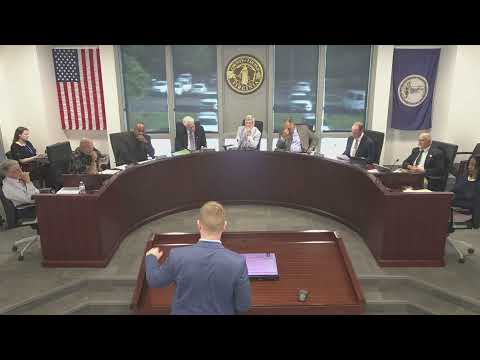
Planning commissioners debate new campground, RV and recreational‑shelter rules; CUP standards, buffers and school‑registration limits proposed
Summary
The commission reviewed a draft to define 'recreational shelter,' bar short‑term rental of RVs as dwellings, require a conditional use permit for campgrounds (three or more campsites) with VDH compliance, a 200‑foot landscape buffer and minimum acreage rules; commissioners raised enforcement, permanence and workforce housing questions and agreed to refine a 'minor' campground category.
Louisa County planners proposed a set of rules for campgrounds, recreational shelters and overnight RV parking at the planning commission work session, offering clearer definitions and operational standards intended to distinguish recreational camping from permanent residence. Staff framed the draft as a response to uncertainty about RVs, campers and short‑term rentals, and as a means to protect public health and neighborhood compatibility.
The proposal would define recreational shelters (travel trailers, campers, motor homes, tents, camp cabins and similar units) and state that such units are not dwellings for zoning purposes when used as temporary recreational or work‑related lodging. Staff added that connection to permanent utilities (including temporary electrical pedestals, water hoses or extension cords used over an extended period) will be a factor in determining whether a shelter is functioning as a dwelling for enforcement purposes.
For campgrounds, staff proposed requiring a conditional use permit (CUP) and Virginia Department of Health (VDH) compliance for any site with three or more campsites; the three‑site threshold was chosen because VDH standards apply at that level. The draft includes operational options such as an on‑site administrative office or a manager‑on‑duty contact on the main sign, a required campground layout and emergency procedures, and a prohibition on using campground addresses to register school‑age children with Louisa County Public Schools.
Design standards proposed include minimum acreage tied to campsite count (example: 3–5 campsites = 10 acres; then two additional acres for each extra campsite), a required 200‑foot landscape buffer plus a professionally prepared landscape plan, and restrictions banning mobile homes, manufactured homes or residential trailers in campgrounds to prevent conversion to permanent subdivisions.
Commissioners voiced several practical concerns. Some asked how the county would prevent travel trailers in campgrounds from becoming de facto permanent residences; staff said enforcement would be complaint‑driven and difficult to sustain without daily inspections. Others urged the commission to provide pathways for smaller, lower‑impact operations and suggested creating a 'minor' campground category with reduced standards so small operators and temporary workforce uses (for example, outage crews) would not be priced out.
Discussion touched on workforce housing for transient outage crews (noting outreach by utilities and the Chamber and existing hotel/Airbnb capacity), the administrative burden on county staff, and the potential to require periodic reports from campground owners to shift monitoring responsibilities off staff. Staff said existing CUPed campgrounds would not be retroactively affected by the draft.
Next steps: The commission directed staff and the work group to refine a minor‑campground option and other details and did not move the current draft to public hearing. The item was tabled for further work and will return to the commission after revisions.