Get Full Government Meeting Transcripts, Videos, & Alerts Forever!
Get email alerts on the Public Health topic
No spam. Unsubscribe anytime.
Retailer warns council of alleged traceability failures, contaminated cartridges
Summary
A local cannabis retailer told the council she has submitted extensive documentation alleging failures in the state's cannabis traceability system, claimed contaminated cartridges with opiates have appeared in retail channels, and urged local law enforcement and legislators to act.
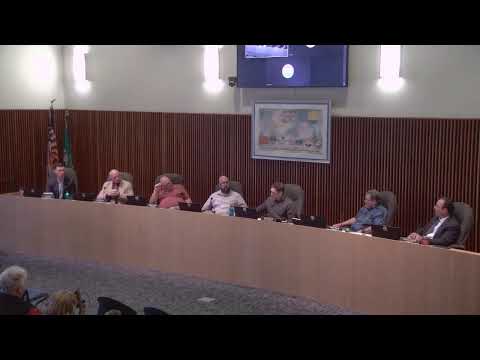
During the citizen-comment portion of the meeting, Amy Deluji, who identified herself as a Moses Lake cannabis retailer, raised alarm about alleged failures in Washington State's cannabis traceability system and claimed the presence of contaminated cartridges in the legal market.
Deluji cited a JLARC (Legislative Auditor) report and Washington State Auditor findings and said the state has lacked a reliable traceability system since 2017. She told the council she received a report that a cartridge purchased from a local retail store was contaminated with an opiate and that she has compiled documentation she plans to provide to state legislators and federal agencies. "We are in a crisis," she said, and later added, "18.6 million contaminated cartridges since January is insane," drawing attention to the scale she described.
Deluji urged local action, including law-enforcement awareness of suspect packaging and local identification of illicit manifests; she said she had reported an incident to the state board's enforcement staff and to local officials but that traceback was unsuccessful. She encouraged the council to amplify the issue to legislators and suggested the state Liquor and Cannabis Board (LCB) has systemic reporting problems that require statutory and technical fixes.
Council members asked clarifying questions about where enforcement should occur (production, processing, or retail) and whether the council could assist locally. Members recommended Deluji pursue legislative channels and direct contact with the appropriate committee chairs; Council Member Lombardi suggested bringing the matter to Olympia to seek statutory changes. Staff and councilmembers agreed to follow up with law enforcement and, where appropriate, state legislators.
The council did not take formal action based on the comment, but members asked staff to review the materials Deluji offered and to coordinate with county law enforcement if packaging or product evidence is provided. Deluji said she had filed confidential audit material and is prepared to present documents to legislators and investigators.