Get Full Government Meeting Transcripts, Videos, & Alerts Forever!
Get email alerts on the Foreign Policy topic
No spam. Unsubscribe anytime.
Leader backs administration negotiations with Iran, says Taiwan should be "prickly" in self-defense
Summary
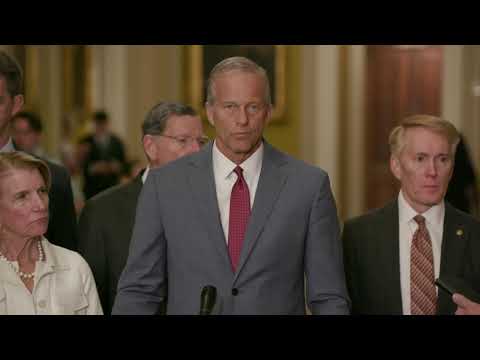
The leader said he supports the administration's negotiations with Iran and hopes senators will back efforts that prevent a nuclear Iran; he also said the U.S. should help make Taiwan "as prickly as possible" to defend against Chinese aggression. Those comments came during a wider press exchange on national-security priorities.
The Senate leader told reporters he supports administration efforts to negotiate with Iran and said he hopes senators "continue to support the administration's efforts to strike a deal" that would prevent Iran from obtaining a nuclear capability. He said success would be important for the United States, U.S. allies and global security, and mentioned the importance of keeping the Strait of Hormuz open.
On China and Taiwan, the leader responded to a question about delayed arms sales, saying he had no meeting scheduled on the issue that week but that he favored measures to strengthen Taiwan's ability to defend itself. "I am very supportive of doing everything we can to make Taiwan as prickly as possible when it comes to their own ... be able to defend themselves against Chinese aggression there," he said.
Context and significance: The exchange occurred amid broader questions about the Senate's legislative agenda and national-security oversight. The leader framed both issues as matters of U.S. strategic interest and defense posture. He did not announce policy changes or a floor vote on arms sales; reporters also asked about the scheduling of a House-passed travel-ban bill and the nomination of a permanent DNI, matters the leader said were under consideration but not scheduled.
What was not decided: The leader did not describe any new arms-sale approvals, nor did he commit the Senate to a specific course of action on Taiwan. He said he had no meeting scheduled that week with Taiwan opposition leaders and that scheduling and diplomatic steps are ongoing matters.
Next steps: Discussion of arms sales, Taiwan defense posture, and Iran negotiations will depend on executive-branch actions and subsequent congressional deliberations. The leader's remarks indicate support for administration diplomacy rather than a new Senate-led initiative during the session covered by the transcript.