Get Full Government Meeting Transcripts, Videos, & Alerts Forever!
Get email alerts on the Zoning Policy topic
No spam. Unsubscribe anytime.
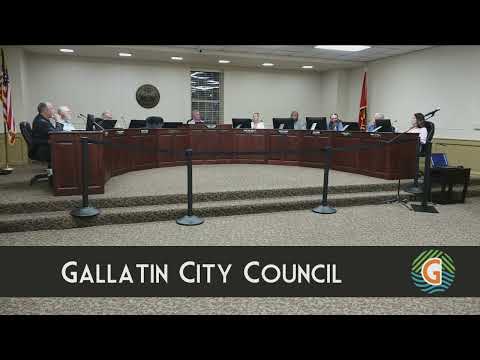
Gallatin committee sends apartment‑moratorium and data‑center discussions to work session; staff to draft options
Summary
After department heads and council members flagged utility, safety and traffic concerns, the committee asked staff to draft a targeted moratorium on new apartment zoning applications and schedule a separate discussion on a possible moratorium for data centers.
The Gallatin council committee used the June 9 session to direct staff to prepare a drafting package and comparative examples for two separate moratorium discussions: one targeted at new apartment/multifamily rezoning requests, and a second focused on potential limits for data‑center development.
Council members and department heads framed the request around several priorities: ensuring adequate electric and water infrastructure (staff noted TVA transmission timing questions and limits on providing service to parts of the city), reducing near‑term pressure on emergency response and road capacity, and reasserting adherence to the zoning code rather than a routine granting of broad exceptions.
Planning staff told the committee there are many approved multifamily units in the pipeline (a planning inventory was discussed) but that the city can only limit new rezoning actions prospectively. Council asked staff to prepare a narrowly tailored moratorium ordinance — modeled after other Tennessee municipalities’ recent actions — that targets new apartment rezoning applications (not projects already vested or fully approved). Legal staff cautioned about fair‑housing risks and recommended careful framing of any prohibition to avoid an actionable disparate‑impact claim.
On data centers, economic development staff clarified the city presently hosts one hyperscale facility and one collocation building; staff said the city is not actively recruiting additional data centers and requested a work‑session discussion so council can weigh a moratorium or other regulatory options. Council voted to schedule both discussions at the next work session and asked staff to return with sample moratoria, legal considerations, and the likely jurisdictional limits of any local restrictions.
Separately, council members discussed hiring or contracting a traffic/transportation consultant to identify near‑term improvements (turn lanes, restriping) and asked staff to return with cost estimates and possible funding sources from the city’s infrastructure reserves.
What happens next: Staff will draft a proposed ordinance or memo with options and legal analysis for an apartment moratorium, outline fair‑housing considerations, gather examples from peer cities (e.g., Hendersonville), and present a cost estimate for a traffic consultant at the next work session. The committee set a work‑session follow up rather than taking immediate action at the committee meeting.