Get Full Government Meeting Transcripts, Videos, & Alerts Forever!
Get email alerts on the Solid Waste topic
No spam. Unsubscribe anytime.
Council approves five-year solid-waste rate authorization; eight written protests reported
Summary
After a Prop 218 hearing, the council authorized a five-year, up-to-5%-per-year rate authorization for Big Bear Disposal and approved a 3.95% adjustment for FY 2026-27; the clerk reported eight written protests against the increases and no majority protest among the roughly 10,847 parcels notified.
The Big Bear Lake City Council voted June 10 to authorize a five-year solid-waste rate schedule for Big Bear Disposal that applies an annual cap of up to 5% and to implement a 3.95% adjustment for fiscal year 2026-27.
At a Prop 218-styled public hearing, franchise-holder Big Bear Disposal and city staff described the franchise formula: collection is adjusted by the Consumer Price Index and disposal/processing costs by outside facility rates; the franchise includes annual caps. Staff said the advertised five-year authorization preserves the city—contract—mechanism for annual adjustments subject to notice and future hearings.
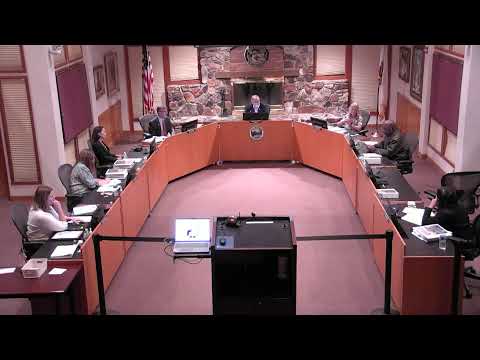
"For the proposed rates for the city's solid waste service charges, a majority protest does not exist," the city clerk reported after tabulating returned protests. "Prior to the close of the public hearing, we received a total of eight written protest letters." The city sent mailed notices to about 10,847 parcels as required by Proposition 218.
Several residents urged greater transparency about costs and company profits. "I was very upset when I got the price increase," said Deborah Leiden, who asked whether the company—profit and billing details could be made public and whether the service is competitively bid.
Staff said the franchise agreement bundles collection, disposal and recycling into a turnkey rate paid to Big Bear Disposal. Disposal costs are passed through on a per-ton basis to the hauler via the county disposal agreements; collection rates reflect average annual tonnage and other operating costs. Councilmembers asked staff and the hauler to provide clearer multi-year tonnage and cost histories to help residents evaluate the proposed increases.
Under the council action, the city will notify ratepayers of the adopted fiscal-year rates as required; staff noted that the franchise agreement provides an annual notice to customers and that council will hold a hearing when charges are placed on the tax roll.
Why it matters: Solid-waste service is a recurring household expense and the franchise structure affects how disposal costs and volume fluctuations are allocated. The council—action preserves the contractual adjustment process while requiring annual notice and the opportunity for protests under Prop 218.