Get Full Government Meeting Transcripts, Videos, & Alerts Forever!
Get email alerts on the Vacant Property topic
No spam. Unsubscribe anytime.
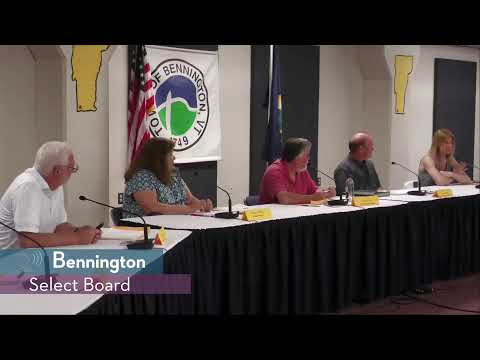
Bennington board tables downtown vacant-property ordinance after public feedback; forms subcommittee
Summary
The Select Board heard a detailed staff proposal to charge escalating annual vacant-property permit fees in the downtown district, drew a mix of public support and economic caution, and voted to table the ordinance while a small subcommittee works with staff on exemptions and fee language.
The Bennington Select Board on June 8 heard a staff proposal to address chronically vacant downtown properties with a new ordinance that would require owners to apply for a vacant-property permit and pay escalating fees if spaces remain unoccupied.
The presentation from town staff outlined a downtown boundary and said 24 vacancies were identified in the study area, 19 without active building permits. Under the proposed fee schedule, the first-year permit would be $100, rising to $2,000 in year two and reaching $16,000 by year five, with an additional $5,000 per year after year six. Staff said owners with active building permits or a recent arm’s-length sale would be exempt and owners who can demonstrate they are actively pursuing financing could get up to an 18-month deferral. Town Manager Dan Monks and staff emphasized the intention is to spur occupancy rather than revenue collection.
The youth-led Bennington Youth Council told the board the ordinance was needed to make downtown feel safer and more welcoming. “As teens in Bennington… vacant properties make the area feel abandoned,” a youth council member said in support.
Not all public comment supported the fee approach. Developer Dimmitri Garter told the board the ordinance risks penalizing properties that are vacant because of weak demand, not owner inaction, arguing, “This proposal is not going to create demand,” and warning that heavy fees could deter outside investors in major redevelopment projects. Resident Bill Calvin said he broadly supported the goal but urged a rigorous, documented good-faith exemption — for example, proof of MLS or commercial listing activity, market-appropriate pricing and documented broker responsiveness — so owners actively marketing their property would not be unfairly penalized.
Board members raised technical questions about how the town would determine whether a space is truly vacant, how to judge marketing efforts, whether the fee schedule requires a legal cap, and whether staff had capacity to enforce the rules. Select Board member Nancy White said she was sympathetic to the stated aim but worried about a perception that the town was ‘anti-business’ and wanted to ensure the ordinance had safeguards for good-faith actors.
After extended public and board discussion, the Select Board voted to table the ordinance and asked staff to convene a small subcommittee to work quickly on clarifying exemptions, evidence for good-faith marketing and the fee schedule. The board said the goal remains reducing downtown vacancies, but members wanted firmer language and outreach to affected owners and stakeholders before taking a final vote.
Next steps: staff will convene the subcommittee and return a revised draft for board consideration at a future warned meeting.