Get Full Government Meeting Transcripts, Videos, & Alerts Forever!
Get email alerts on the Pedestrian Safety topic
No spam. Unsubscribe anytime.
Temporary installation aims to shorten crossings, improve pedestrian safety on Jefferson Street
Summary
A temporary installation on Jefferson Street in Nashville is designed to shorten crossing distances and make the corridor safer for pedestrians, presenters and residents said; speakers also highlighted the street's musical history and voter support for the Choose How You Move program.
A temporary installation on Jefferson Street in Nashville is intended to shorten crossing distances and make the corridor safer for pedestrians, presenters and local residents said.
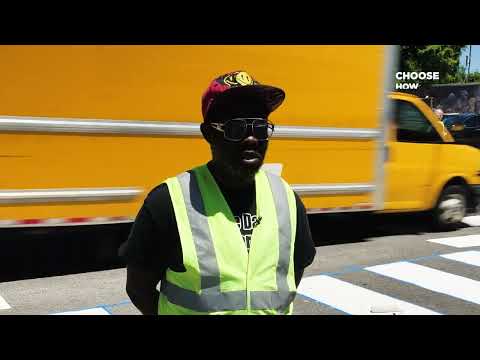
A presenter (Presenter (S1)) described the demonstration as a way to reduce crossing distance and risk, saying, "Today we're working on an installation ... hoping that just creates a little bit of shorter crossing distances, makes it slightly safer for pedestrians." The presenter said the pilot is meant to show how modest changes can alter driver behavior and improve safety for people on foot.
A resident (Resident (S2)) emphasized broader safety needs in the city. "Pedestrian safety needs to get better in Nashville," the resident said, adding that visible treatments such as crosswalk markings help drivers recognize that "people do walk here." The comment framed the installation as a simple, low-cost way to increase driver awareness.
Speakers also placed the demonstration in local context. Another presenter (Presenter (S3)) noted the corridor's cultural history: "This part of Jefferson Street is really interesting. It's home to the Elks Lodge, which was actually Club Baron back in the day, one of the premier music venues along the corridor." That history was cited as part of why residents care about the street's future.
Community members linked the project to past harms and civic choices. A resident (Resident (S4)) said the neighborhood has experienced "a lot of trauma ... disenfranchising ... and displacing" people, and described the installation as part of a community-driven effort. The same resident added that local voters backed the Choose How You Move program, calling the effort "a well-oiled machine" and saying the project reflects what "the community wants."
The event presented the installation as a demonstration rather than a formal policy decision; no formal motions or votes were recorded in the transcript. Next steps or timelines for making any temporary treatments permanent were not specified in the discussion.