Get Full Government Meeting Transcripts, Videos, & Alerts Forever!
Get email alerts on the Municipal Budget topic
No spam. Unsubscribe anytime.
Oakland aldermen approve first reading to raise property tax 20 cents and pass amended FY2027 budget
Summary
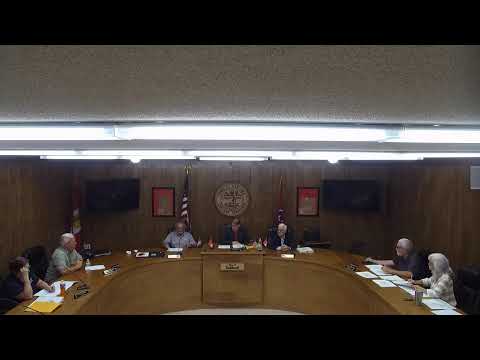
At a special called meeting, the Town of Oakland aldermen voted 3–2 to approve a first reading raising the property tax by 20 cents and approved the first reading of the FY2027 annual operating and capital budget, while discussing utility-rate structure changes and several capital projects.
At a special called meeting, the Town of Oakland Board of Aldermen approved on first reading a 20-cent increase in the property tax rate and approved the first reading of the town’s FY2027 operating and capital budget.
The board’s vote on the tax — introduced as Ordinance 2604 — followed extended discussion about rising personnel and insurance costs, slower-than-expected TDOT grant reimbursements, and an increased estimate for the Clay Street renovation. After an earlier motion to raise the rate by 25 cents failed on a roll call, a second motion to raise the rate by 20 cents passed on a subsequent 3–2 roll call, moving the levy to the next step in the ordinance process. The board set the final public hearing and second reading for June 29 at 6:30 p.m.
Why it matters: Town staff told aldermen the revised budget shows several cost pressures — a reported 10.5% increase in health insurance and a 1.5% retirement increase — that, when counted with other known expenses, originally placed the budget about $66,000 in the red. Staff said adding obligations tied to two TDOT grants (sidewalk improvements and traffic-signal work) could increase the shortfall to roughly $300,000 unless additional revenue or cuts are found. Board members and members of the public debated whether to cover the shortfall with fund balance, cuts to programs, or a tax increase that staff estimated would generate about $1 million.
Resident concerns: During the public-comment period, resident Mike Haidider of 140 Misty Birch Lane urged aldermen not to approve a tax increase and proposed charging larger permit fees on new construction to pay for utilities and infrastructure. “I certainly hope that nobody thinks that we should have a tax increase, especially after the 40% increase we had earlier this year,” Haidider said, and offered volunteer assistance to review town expenses.
How the board described the numbers: Staff reported a general fund balance of $5.2 million and explained that utilities (water and sewer) operate as enterprise funds and by state rules must cover debt and capital through user fees — tap fees were described as supporting day-to-day utility operations and not available for general-fund obligations. Staff also said a TDOT signal grant will entail a town expense of roughly $75,000–$100,000 and that the Clay Street estimate shared earlier in workshops rose from about $600,000 to $800,000.
Votes at a glance: - Ordinance 2604 (property tax levy, first reading): Motion to increase the levy by 20 cents — roll call recorded a 3–2 result; motion passed (first reading). Recorded roll-call names included Alderman Campbell (no), Alderman Austin (no), and Alderman Leuy (yes); Vice Mayor Kates was recorded as supporting the 20-cent motion. The transcript records the 3–2 outcome but does not unambiguously record every individual vote in the public roll-call text for publication. - Ordinance 2605 (FY2027 annual operating and capital budget, first reading): Board approved the amended first reading on a recorded roll call with five votes in favor and zero opposed; motion passed.
Utility-rate change discussed: Board members also discussed a proposed change to the water-rate structure that would lower the minimum billed usage from 2,500 gallons to 1,000 gallons so smaller users would pay less. Staff said the per-100-gallon charge would not change and estimated roughly 1,500–1,800 water customers (about a quarter of the town’s customers) would see small savings under the new minimum. If adopted, staff said the change could be implemented in July billing.
Next steps: The board set the final public hearing and second reading for both the property tax levy and the FY2027 budget for June 29 at 6:30 p.m.; the board’s regular meeting was announced for June 18 at 7 p.m. The first readings carry the proposals forward but do not finalize the tax or the budget until subsequent official action and public hearing.
(Quotes and procedural attributions in this article are taken from the town meeting transcript and mapped to speakers listed in the official meeting record.)