Get Full Government Meeting Transcripts, Videos, & Alerts Forever!
Get email alerts on the Budget topic
No spam. Unsubscribe anytime.
Austin ISD warns of bigger-than-expected deficit as trustees consider steep cuts and property sales
Summary
Superintendent Segura and finance staff told trustees the district now projects a $95 million FY25-26 shortfall and proposed $185 million in reductions for FY26-27, relying on property monetization and program cuts; trustees pressed for conservative assumptions, timelines for sales, and clearer community engagement before a June 18 vote.
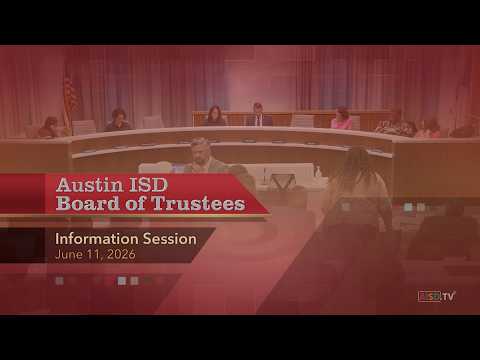
Superintendent Segura and finance director Katrina Montgomery told the board June 11 that Austin Independent School District—s projected FY25-26 deficit widened to $95 million after enrollment declines, lower property valuations and two expected property sales failed to materialize. The administration proposed a FY26-27 package that it says totals $185 million in reductions, including $33 million in planned property monetizations, $17 million in additional department reductions and campus and departmental staffing changes.
The presentation said average daily attendance and enrollment fell sharply in recent six-week snapshots, that property values came in lower than assumed and that anticipated one-time real-estate revenue of roughly $28 million did not materialize for this fiscal year. Officials said recapture and declines in revenue are the main drivers; special-education and transportation costs remain much higher than state reimbursement levels.
Katrina Montgomery said the recommended FY26-27 plan assumes a starting fund balance at about 15% to meet district policy, and that if the year closes below 15% the required reductions for the next fiscal year would increase. She identified four properties the district plans to monetize to help reach a net $60 million offset and said the district needs to close sales by August 2027 to realize the revenue for budget purposes.
Trustees pressed staff for probability estimates and community engagement timelines. Trustee Hunter asked what would happen if only half the $60 million in sales closes; staff acknowledged that any shortfall in monetization would add to next year—s structural gap. Board members asked for more-conservative scenarios and for regular monthly updates; several said they preferred adopting an accurate, conservative budget and amending later if conditions improve rather than approving a plan that assumes a healthy fund balance it may not have.
Administration proposed operational changes intended to reduce costs without eliminating some programs entirely: consolidating three bus terminals into two, moving to a hub-stop model in neighborhoods to reduce route costs, and a model where each campus is allocated a bus for UIL travel with coaches as drivers to limit district transportation expenses. Officials said legally required special-education transportation would be maintained.
The board did not take any open-session votes on June 11; trustees scheduled a public hearing and adoption vote for June 18 and directed staff to return with clearer, conservative fund-balance scenarios and the assumptions behind them.