Get Full Government Meeting Transcripts, Videos, & Alerts Forever!
Get email alerts on the Ibogaine Study Committee topic
No spam. Unsubscribe anytime.
Ohio lawmakers form ibogaine study committee after veterans’ testimony
Summary
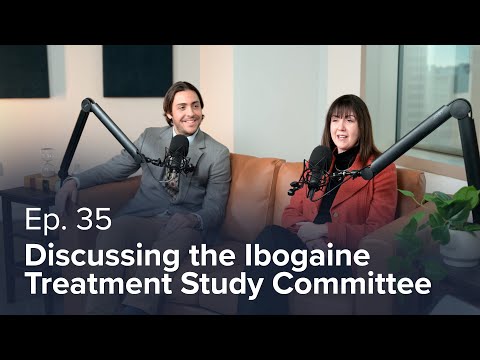
State Representatives Justin Bizolei and Jody Salvo described a newly created ibogaine study committee, citing veteran testimony and preliminary research that proponents say show promising results while also flagging safety concerns such as cardiac risk.
Representative Justin Bizolei, chair of a newly created ibogaine study committee, said the panel was established to examine whether the plant-based medicine could be a safe, effective tool for treating opioid withdrawal and post-traumatic stress among veterans.
"I drafted legislation and put it into the budget to create the ibogaine study committee," Bizolei said, describing a membership that includes two House members (himself and Rep. Jody Salvo), two state senators and appointees from the Ohio Department of Veterans Services and the Ohio Department of Mental Health and Addiction Services. He said the committee has met twice and will hear from clinicians, scientists and providers, including researchers at Ohio State University.
Bizolei cited recent testimony from veterans, including a Purple Heart recipient, and said some studies he reviewed report high short-term success figures: "one single dose is showing up to a 75% success rate with a second dose of up to 97%," he said, adding that those studies also recommend pairing any pharmacological treatment with traditional therapies. He framed the committee’s work as a way to balance potential benefits with safety and oversight.
Rep. Jody Salvo, who worked for years in substance-use prevention and coalitions in rural Ohio, said veterans’ firsthand accounts compelled her to join the committee. She cautioned that the treatment is not without risks: "the elephant in the room is there is definitely risk around cardiac concerns," Salvo said, describing the committee’s review of screening protocols such as EKGs, pre-treatment medical records and structured follow-up care reported by some providers.
Both lawmakers stressed the committee’s fact-finding role rather than immediate policy action. Bizolei said the committee plans to invite representatives from advocacy groups and national state-legislator networks to explain model legislation and standards being proposed elsewhere.
The committee’s public hearings are expected to include clinical testimony and additional research presentations before lawmakers decide whether to pursue legislative changes in the next general assembly.