Get Full Government Meeting Transcripts, Videos, & Alerts Forever!
Get email alerts on the Early Childhood And Literacy topic
No spam. Unsubscribe anytime.
Brush district showcases preschool classrooms and a new K–6 reading resource paid at about $12 per student
Summary
Teachers and administrators presented preschool activities, enrollment and funding strategies and demonstrated a district-purchased reading platform for K–6 that administrators said supports intervention and independent practice for students.
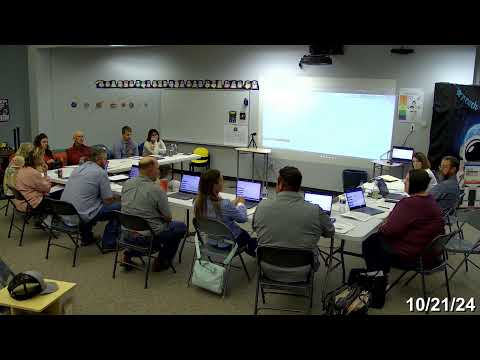
Teachers and administrators presented a two-part update on early-childhood programming and a new reading resource used for intervention in the district.
Preschool teachers Miss Nichol and Miss Alicia brought students to perform a song and demonstrated play-based learning activities, noting family engagement through events such as a STEAM night that drew roughly 457 attendees. Presenters said preschool enrollment stands at about 136 children and described funding blends that include UPK slots, Head Start, CCAP and family-paid tuition for full days when needed. Administrators said staffing shortages, especially for paras, limit the district’s ability to open additional rooms despite demand.
Lri Hansen, the district’s first-grade reading intervention teacher, demonstrated a new digital reading platform the district purchased for intervention work. Hansen described features that allow teachers to set instructional levels, assign leveled and decodable texts, track a student’s book-bag (books taken home), and listen to audio recordings students send to teachers. At one point she told the board, “the district pays $12 per student for us to have this,” characterizing the resource as affordable and effective for intervention groups.
Administrators set performance priorities tied to the resource: reduce the share of students on reading intervention plans from about 35% toward a target of 25% in spring 2025 and 15% in spring 2026, and to raise math proficiency targets gradually. Board members asked for continued progress updates and historical context on trends; staff said those data are tracked in the district’s reporting systems and will be shared on request.
The presentations were informational; the board thanked staff and the families who participated.