Get Full Government Meeting Transcripts, Videos, & Alerts Forever!
Get email alerts on the Media And Lobbying topic
No spam. Unsubscribe anytime.
Council training stresses media techniques and warns members not to lobby using council resources
Summary
At its meeting, the Wyoming Workforce Development Council received media-interview training covering pivoting, pausing and flagging techniques and a legal briefing reminding members that Department of Workforce Services staff and the council must not engage in lobbying using grant-funded resources.
A presenter led the Workforce Development Council through media-interview techniques on staying on message and handling unexpected questions, then reviewed legal limits on advocacy by council members and agency staff.
The presenter, Ivy McGallen Castleberry, urged people to use “bridging” and “pivoting” to acknowledge an interviewer’s question and return to prepared talking points. She offered sample phrases — for example, “I feel that the important thing we need to focus on is …” — and recommended pausing to cut filler words and flag strong sound bites so reporters pick them up.
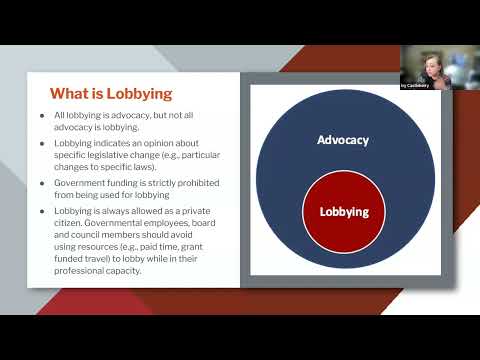
Why it matters: Council members said cultivating relationships with local reporters helps avoid surprises and can lead reporters to call before publication. The presenter warned that while council members and staff may provide factual information and technical assistance to lawmakers, they must not use council or grant resources to advocate for or against specific legislation.
Castleberry emphasized the distinction between private citizens and council representatives, saying, referring to her dual role, that she is “Ivy McGallen Castleberry, a resident of Campbell County and me Ivy Castleberry an employee for Department of Workforce Services.” She added that "we can provide information but we cannot lobby," underscoring that use of federal grant-funded resources for lobbying could jeopardize funding.
Council members asked for more clarity about boundaries and confidentiality. The presenter noted examples — certain training-grant review materials and evaluation documents are confidential — and encouraged members to route media requests to the council’s communications team when appropriate.
Next steps: Staff reminded members the communications team can provide follow-up media training, draft op-eds and coordinate spokespeople. Several members said they would rely on staff when questions stray into confidential or legislative territory.