Get Full Government Meeting Transcripts, Videos, & Alerts Forever!
Get email alerts on the Municipal Finance topic
No spam. Unsubscribe anytime.
Pleasantville council unveils proposed water, storm‑sewer charges and seeks short‑term loans to finish water‑tower work
Summary
Council held first readings on ordinances to create a dedicated water debt‑service charge ($7/month per unit) and a storm‑sewer debt‑service charge ($3/month per unit) and discussed short‑term loans to cover remaining water‑tower reimbursements; final votes on ordinances are expected after three readings in December.
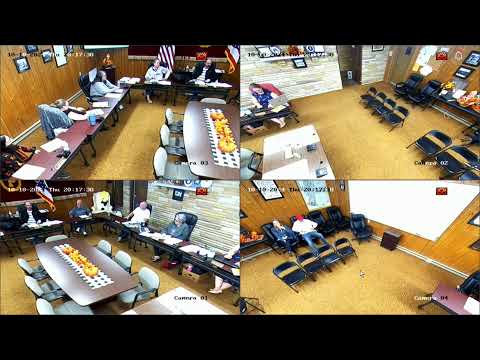
The Village of Pleasantville council on Oct. 10 advanced first readings of two ordinances that would create dedicated debt‑service charges for water and storm‑sewer projects and discussed taking short‑term loans to cover costs tied to a recent water‑tower project.
Council members heard a finance briefing explaining that the village took out approximately an $839,000 loan for the water‑tower project and later faced additional, unanticipated costs and a $50,000 interest payment that affected the current-year budget. Staff told council they plan to ask for a 12‑month, $100,000 loan at roughly 5.95% to carry the village until county reimbursements are received, and a longer 60‑month $50,000 note to smooth near‑term project payments.
The proposed ordinances are non‑emergency measures that will undergo three readings. Under the draft language presented, the water debt‑service charge would be $7 per month per residential unit (billed per unit for multi‑family and commercial accounts); the storm‑sewer debt‑service charge would be $3 per month per unit. Staff said those charges would be placed into separate, secured funds and could be adjusted by future council ordinance to reflect debt outstanding.
Jason (village staff) told the council that staff will seek engineering evaluations and potential grant funding to offset the capital costs of long‑term plant upgrades and that the loans are intended to bridge timing gaps pending reimbursements. He said loan documents will be requested from the bank and brought back to a special meeting so councilors can review paperwork before signatures are executed.
The ordinances were introduced as first readings on Oct. 10 and will return for subsequent readings and final vote in December, when councilors can amend amounts or other terms. No final loan authorization was signed at the Oct. 10 meeting; staff said they would request loan documents and convene a special meeting for formal approval if required.
Why it matters: The debt‑service charges would create restricted revenue streams intended to secure future loan payments and improve grant competitiveness; if adopted, the fees would add a modest, recurring charge to water bills that local officials say will reduce the need to divert general‑fund dollars to repay infrastructure debt.
What’s next: Staff will request draft loan documents from the bank and return them to council for review. The two ordinances will receive additional readings and a final vote in December, as allowed by the village’s three‑reading ordinance process.