Get Full Government Meeting Transcripts, Videos, & Alerts Forever!
Get email alerts on the State Finance topic
No spam. Unsubscribe anytime.
State Treasurer's office outlines savings, homebuyer and small-business programs at Port Clinton council meeting
Summary
A representative of the Ohio Treasurer's office described state programs for local governments, homebuyers, small businesses and people with disabilities, and offered agencies and printed materials for local officials and residents.
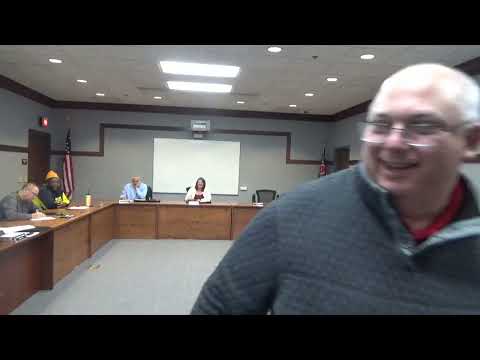
Pat McCauley, representing the office of State Treasurer Robert Strag, visited the Port Clinton City Council on Feb. 10 to brief members on several state financial programs and how local officials can connect residents and businesses to them.
McCauley described Star Ohio, a pooled investment program for governments and eligible institutions, saying it currently holds about $22.5 billion and was yielding roughly 4.03% at the time of his remarks. He said the program has paid out about $560 million since 2019 and that the treasurer's office had distributed roughly $4.2 billion in interest while in office.
McCauley also discussed the Ohio Home Buyer Plus savings program for prospective homebuyers and said participating savers may use accounts for closing costs and down payments (McCauley noted account limits and mechanics during a brief clarification exchange with council). He told council the program allows accounts up to $100,000 and is designed to help households save for home purchase expenses.
For small businesses, McCauley promoted the recently launched Buckeye Business Advantage, a linked-deposit program that targets for-profit small businesses headquartered in Ohio with 150 or fewer employees. He said the program can provide financing up to $1 million for two years and includes requirements such as a majority of employees and operations being in Ohio.
McCauley also summarized the STABLE account program for people with disabilities, which allows beneficiaries to save without jeopardizing federal benefits. He said participants can save as much as $19,000 a year in some circumstances, noted recent federal eligibility changes that raised the qualifying age threshold (which McCauley said expanded eligibility by an estimated two million people in the state), and said the treasurer's office covers account maintenance costs.
Asked where staff could find more information, McCauley directed council to OhioTreasurer.gov and offered to email PDFs of program materials to city staff for local distribution. "We're the good office because we only try to help you save money or make more money," McCauley said in closing, offering contact assistance for any council members or residents with questions.
The presentation took place during the public comment portion of the council meeting; McCauley said he would send materials to the clerk and make himself available for follow-up questions.
Next steps: council members said they would share the materials with relevant staff and community organizations that may refer residents and businesses to the listed programs.