Get Full Government Meeting Transcripts, Videos, & Alerts Forever!
Get email alerts on the Property Dispute topic
No spam. Unsubscribe anytime.
Long-running road dispute: resident seeks town statement to satisfy lender
Summary
Lorraine, a local farmer, asked the Select Board to record the town—s current understanding that Old County Road was discontinued to help resolve a quiet-title/damages case and to satisfy her USDA lender; she presented historical records and urged the board not to be dragged into civil damages litigation.
Lorraine Rodier, a New Ipswich resident and owner of Smith's Blueberries (as referred in the discussion), asked the Select Board to acknowledge the town's contemporary understanding that Old County Road was discontinued in the 19th century and to issue a written statement for her lender. Rodier said she has a recorded document she pulled from historical records (which she referenced as dating to 1856) that, she said, indicates the road was discontinued when a newer highway opened; she told the board she needs the town's position to satisfy USDA FSA underwriters and to move a mortgage closing that has been delayed.
Rodier described the practical consequences of unresolved records: a neighbor (identified in the transcript as Cormier) has filed competing surveys, has argued the road is not discontinued and is contesting access and use; Rodier said the dispute has forced her to rework her mortgage paperwork and has imposed substantial legal and financial burden. She asked the board to consider a short, factual statement reflecting the town's current understanding of its records so that her lender and the court could proceed; she expressly stated she did not want to draw the town into the damages portion of the litigation.
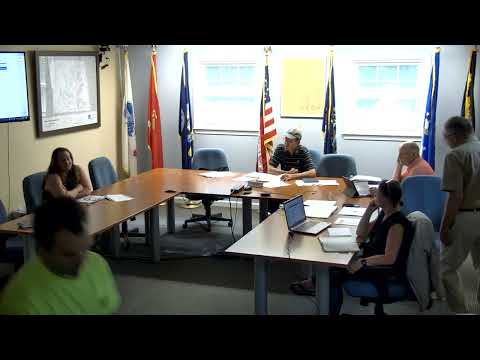
Board response and follow-up: Select Board members reviewed available documents in the meeting, noted the town's historical records are sometimes held at the state archives and local historical society, and discussed the legal constraints on issuing definitive legal determinations. Board members asked staff to review the documentation Rodier provided, to consult the registry of deeds and county and state archives, and to consider a narrowly worded statement limited to the town's "understanding" of its own records rather than a legal finding. One select member said he did not see a clear legal basis for town liability but agreed to an administrative follow-up to collect documents and return with options.
What happens next: The board asked staff to retain Rodier's submissions, consult the county/state archives and the town's minutes, and schedule the item for further review with legal counsel if appropriate. Rodier said she would continue her court schedule but requested the town—s administrative assistance to provide documentary support to her lender.