Get Full Government Meeting Transcripts, Videos, & Alerts Forever!
Get email alerts on the Infrastructure topic
No spam. Unsubscribe anytime.
Council discusses water meters, proposed $5 monthly capital fee and infrastructure updates
Summary
Council discussed water-meter engineering and a proposed $5 monthly utility charge to build a capital fund, reviewed public-works updates including sewer-plant heater repairs, transformer completion and recent water-service leak repairs, and emphasized seeking grants to minimize resident costs.
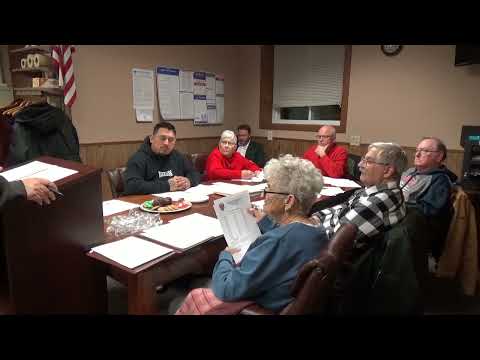
Council members and staff used the Nov. 30 meeting to update the village on several infrastructure and public-works items and to discuss an approach to funding long-term capital needs.
Water meters and funding approach: the clerk and staff reported they have requested an engineering contract for a water-meter replacement project and plan to hire a grant specialist (referred to as Renee) to pursue available grants. The council discussed a potential $5 monthly utility service charge earmarked for capital improvements (water tower, distribution lines, meters) to spread replacement costs rather than imposing large one-time installation fees on residents. Members emphasized outreach and a public-comment period before any fee is implemented and said they will seek grant funding first.
Public-works updates: staff said the MS station transformer and switch gear work is complete and power has been restored; plumbing and sewer work is installed and concrete placed with wall construction to follow. At the sewer plant, a heat-pump failure was reported and temporary electric heaters were used until the original contractor (Marlin White) can respond. Staff also reported two water-service leaks were located and repaired and that vehicles used by public works have been or will be serviced.
Why it matters: water-meter replacements and long-term capital projects will affect billing and infrastructure reliability; the council framed the $5 proposal as a gradual approach intended to reduce large, one-time costs for residents and stressed pursuing grants to limit direct charges.