Get Full Government Meeting Transcripts, Videos, & Alerts Forever!
Get email alerts on the Rules Of Procedure topic
No spam. Unsubscribe anytime.
Swansea zoning board debates changes to rules on alternates, outside contacts and public notice
Summary
At a working meeting, the Swansea Zoning Board of Adjustment reviewed proposed edits to its rules of procedure that clarify alternates' participation, restrict off-the-record communications and reconsider public-notice practices including newspaper posting versus town notifications; staff will prepare a dated draft for a public hearing in July.
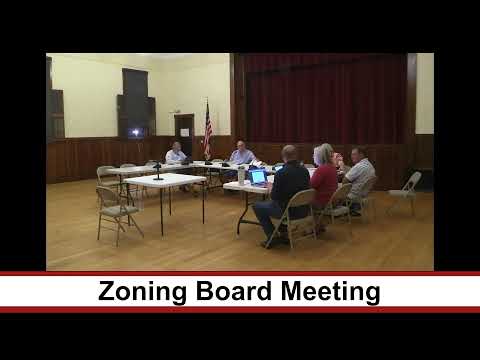
The Swansea Zoning Board of Adjustment spent the bulk of its April 20 meeting reviewing proposed revisions to its rules of procedure, focusing on when alternates may participate and vote, limits on off-the-record contacts, and how the board notifies the public of hearings.
The staff member presenting the revisions told the board that any final changes would require a public hearing and that staff would prepare a dated, single clean version for review. The staff member said she would verify statutory citations flagged during the discussion before any public hearing.
Why it matters: The proposed edits seek to reduce procedural confusion and legal risk by clarifying who may vote and what kinds of outside contact are permitted. Board members said clearer language could prevent perceived conflicts and reduce later appeals.
Alternates and seating: One major change staff proposed would allow alternates to participate in discussions until a public hearing is closed, but bar alternates from making or seconding motions or voting after closure unless they are formally seated as a regular member. A committee member urged the board to explicitly preserve continuity by keeping the same alternate seated when a hearing is continued, arguing it protects the integrity of deliberations.
On the record, the staff member read the draft language: "Alternate members may participate in discussions until the public hearing is closed. Once closed, alternates shall not make motions, second motions, or vote unless formally seated before a regular member." Several members supported seating alternates before each public hearing so the board would have a full panel when cases are heard.
Off-the-record communications and site visits: The draft would restrict board members from "independently entering private property, conducting unplanned site visits, or engaging in similar activities" without board approval or clear procedural safeguards. Members debated whether invited visits by property owners should be allowed and whether the word "input" should be replaced by narrower terms like "testimony" or "advice" to preserve routine preparation such as reviewing tax maps or driving by a property.
"You can't legally stop somebody from driving by a property," a committee member said during the discussion, pressing for language that bans off-the-record consultations but not ordinary fact-finding.
Public notice and outreach: The board also reviewed how it meets public-notice obligations. Staff noted the town posts notices on the website and at town hall and currently posts in the Sentinel newspaper; members debated whether to keep paid Sentinel postings to reach older readers or to move toward town email/text notifications and the website. One member said the town's website now offers an opt-in notification service and encouraged expanding that system, while others cautioned that many residents still rely on the Sentinel.
Application fees, decisions and process details: The board discussed proposed wording that would require applicants to pay all associated fees before a public hearing and asked staff to clarify how denial notices are written and circulated. Staff agreed to BCC the board on notices of decision so members see the final wording used in approvals and denials.
Next steps: Staff will prepare a dated, side-by-side draft reflecting the edits and bring it back for a public hearing (members suggested the July meeting). The meeting closed with the board agreeing to revisit remaining items when more members are present.
The board did not adopt the proposed changes at this meeting; the modifications will be set for a public hearing and formal vote after staff completes statutory checks and posts the required notices.