Get Full Government Meeting Transcripts, Videos, & Alerts Forever!
Get email alerts on the Recreation Governance topic
No spam. Unsubscribe anytime.
Dumont council moves to replace long‑standing Recreation Commission, triggering hours of public outcry
Summary
The Borough of Dumont introduced an ordinance to abolish its 56‑year Recreation Commission and create a Recreation Committee, citing repeated noncompliance with bylaws and purchasing procedures. Current commissioners and dozens of residents urged the council to preserve the commission and criticized the process as lacking transparency.
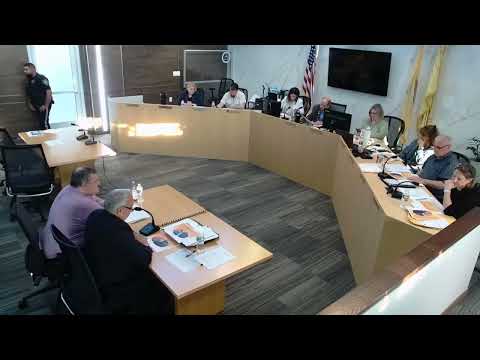
The Borough of Dumont on Monday introduced Ordinance 1672 to abolish the existing board of Recreation Commissioners and replace it with an advisory Recreation Committee, a move borough officials described as an administrative governance change intended to increase municipal oversight.
Borough officials, including the borough administrator and the borough attorney, said the change responds to repeated problems: purchasing procedures not followed, inconsistent enforcement of coaching background checks, and legal exposure borne by the borough when the commission’s actions raised questions. The borough attorney explained the committee would operate similarly in duties but would report to the borough and give the borough authority to enforce compliance when rules and bylaws were not followed.
The proposal drew immediate and sustained opposition from current recreation commissioners, volunteer coaches and dozens of residents in the packed public comment period. Commissioners described a long list of program accomplishments — field improvements, registration streamlining, databases tracking coach certifications, CPR offerings, and scholarship support for high‑school athletes — and warned that abolishing the commission risks losing institutional knowledge and volunteer investment. “When a system has been successful for over five decades, the burden should be on proving why it needs to be dismantled,” one commissioner told the council.
Commission members and volunteers also said they were surprised to learn the item was on the agenda and complained about inconsistent communication and mixed direction on background checks, fingerprinting and appeal procedures. Recreation commissioners said they had worked to update bylaws and a volunteer database; council and administration countered that the commission repeatedly failed to enforce its own policies and did not follow legal or purchasing procedures that exposed the borough to liability.
The borough attorney said the ordinance stops short of eliminating programs, and that all recreation programs “will continue in their current form,” but that governance and reporting lines would change so the paid recreation director reports directly to borough administration rather than to an independent commission. Borough officials said the ordinance aims to preserve services while ensuring compliance and clarifying purchasing and oversight responsibilities.
Residents urged the council to delay and discuss alternatives. Many called for a face‑to‑face meeting between the governing body and commissioners before a second reading; several speakers said abolishing the commission could discourage volunteers and harm youth programming. Others raised practical concerns about how trust and operating funds are handled and how a committee would manage program finances.
Council members said the first reading was an introduction; the ordinance requires a second reading and a public hearing at a later meeting before final adoption. The council said it heard public concerns and that it would post additional information and accept follow‑up questions by email.