Get Full Government Meeting Transcripts, Videos, & Alerts Forever!
Get email alerts on the Municipal Budget topic
No spam. Unsubscribe anytime.
Dumont adopts $31.5 million 2026 budget, applies $1.88M surplus amid rising health‑insurance costs
Summary
After a public hearing, the Borough of Dumont adopted a $31.5 million 2026 municipal budget that applies $1.88 million of 2025 surplus and remains under state levy and appropriation caps. Officials cited a sharp rise in health‑insurance costs and continued reliance on property taxes.
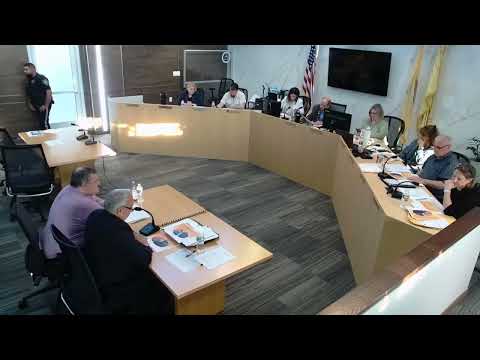
The Borough of Dumont on Monday adopted its 2026 municipal budget of $31.5 million after a public hearing and roll‑call vote. Auditor Gary Vincy told the council the budget remains below both the state appropriation cap and the tax levy cap and uses $1.88 million of the 2025 surplus to balance the year.
Vincy, identified as the borough auditor, told the council the budget increase over last year’s modified plan is roughly $363,000 and that most municipal revenues continue to come from property taxes; the borough expects about $1.44 million in state aid. He said health‑insurance premiums have “skyrocketed” and are a major driver of higher personnel costs this year, with health insurance budgeting roughly $3.9 million in 2026. Public safety and public works are the two largest appropriation categories — public safety alone accounts for about $7.2 million.
The auditor also noted a net reduction in debt service after the retirement of a 2016 bond, producing about $900,000 in savings that were partially offset by higher capital spending; combined capital and debt appropriations still showed a net decrease in overall debt service for 2026 compared with 2025. Vincy described a roughly $5.9 million capital program that includes road and drainage work and an estimated $2 million ladder truck for the fire department; he said the borough may seek up to $1.2 million in Department of Transportation reimbursement for some projects.
During the public hearing, long‑time resident Bruce D. Lion criticized the meeting’s logistics and fiscal choices, saying the lack of on‑screen slides made the presentation inaccessible to most residents and asking whether some revenues being used were one‑time transfers. “The simple fact that you don’t have the presentation on screen is ridiculous,” he said, and warned that relying on one‑shot trust transfers could hide structural pressure on future budgets.
Council then approved a resolution of self‑examination (Resolution 26‑173) and voted to adopt the 2026 budget (Resolution 26‑174) by roll call. Council members recorded affirmative votes and the budget will be certified by the borough’s chief financial officer as required by state rules.
The auditor and borough officials fielded resident questions about a five‑year reassessment program (estimated at about $62,000 per year after an initial revaluation) and the division of tax dollars among municipal, county, school and library components. Officials said the municipal share remains roughly one‑third of the local portion of an average tax dollar, while schools continue to be the largest share.
The council moved quickly afterward through listed consent agenda items, including personnel appointments and authorizations for road work; one item added to the consent agenda (Resolution 26‑186) authorized Brian Harris as a volunteer recreation coach and was approved.
The borough will post the certified budget and supporting documents; officials said they plan to monitor costs and continue efforts to replenish surplus in future years.