Get Full Government Meeting Transcripts, Videos, & Alerts Forever!
Get email alerts on the Adu Permitting Utilities topic
No spam. Unsubscribe anytime.
Permits, septic and connection fees: what Calistoga and Up-Valley homeowners heard about ADU feasibility
Summary
County and city planners told attendees that permitting can be completed online, but utilities (septic, wells, water/sewer connections) are often the biggest obstacles; Calistoga is considering additional ADU incentives with planning commission review this summer.
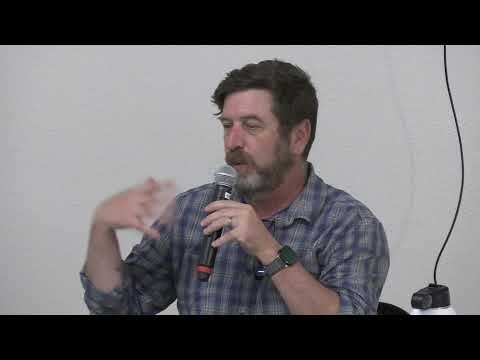
County and city planners reviewed permitting steps and common utility barriers for homeowners considering accessory dwelling units (ADUs) during a public session in Calistoga.
Trevor Hawkes, supervising planner for Napa County PBES, described the county's online permit center and the overall permit-review workflow. "All of our building permit applications, you can apply for online," he said, and pointed attendees to preapproved plan sets that can reduce design costs.
Panelists repeatedly advised homeowners with wells or septic systems to consult environmental health early. "Septic is the biggest blocker to building the ADU" in unincorporated parts of the county, said Scott Johnson of the ADU Center, noting soil conditions and limited lot sizes often prevent expansion. The panel recommended a site assessment (water valve sizing, sewer scopes, electrical box checks) before paying for designs.
Connection fees and local incentives. A city representative said new water and sewer connections can cost roughly under $30,000 for a new ADU hookup, though cities can allow branching off an existing connection depending on infrastructure capacity. The representative added that Calistoga is developing ADU incentives and that those proposals will go to its housing advisory committee, then planning commission and possibly city council in July and August.
Eligible unit types for county loan. County staff clarified which ADU types qualify for the forgivable loan: detached ADUs and conversions of garages or basements that add livable square footage are eligible; junior ADUs (JADUs) are not. A garage conversion can be a relatively lower-cost path but must meet habitability, insulation and plumbing standards.
Why it matters: utility constraints and connection fees can substantially change the economics of an ADU project. Panelists said many homeowners underestimate sewer, water and electrical upgrades'costs and that those items should be assessed as "step zero" of feasibility.
What attendees should do next: talk with environmental health for well/septic feasibility, contact the local permitting authority (city or county) about service connections, and consult the ADU Center for a free pre-project consultation before buying plans or committing funds.