Get Full Government Meeting Transcripts, Videos, & Alerts Forever!
Get email alerts on the Policy Governance topic
No spam. Unsubscribe anytime.
Resident urges moratorium as Connecticut 8-30g changes loom
Summary
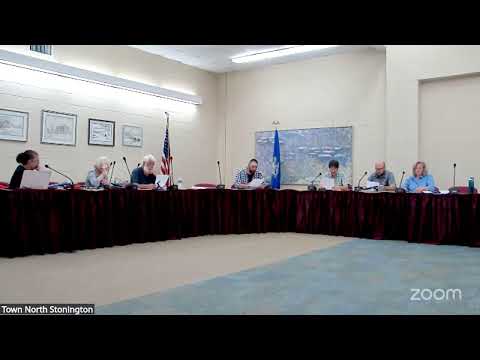
During public comment at the June 11 Planning & Zoning meeting, a resident urged a temporary moratorium on new 8-30g applications until the state assigns town targets and clarifies rule changes; staff said North Stonington currently does not meet moratorium eligibility criteria and recommended legal review.
A resident told the North Stonington Planning & Zoning Commission on June 11 that incoming changes to Connecticut’s 8-30g affordable-housing rules create uncertainty and urged the town to consider an eight- to nine‑month moratorium on new applications until state targets and interpretations are clear.
“I would request the zoning board to at least look into at least a eight or nine month moratorum,” the resident said during the public‑comment period, raising questions about how Office of Policy & Management or regional Council of Governments assignments will affect the town’s numerical targets.
Staff responded that the statutory moratorium process has numerical eligibility criteria and that North Stonington’s currently counted share of affordable housing is low (meeting discussion cited roughly 1% in the count), so the town does not now qualify to apply for a moratorium. Staff suggested the commission consult the town attorney and noted the town has retained consultant Don Pulland to review zoning regulations.
The resident framed the change as a loss of local control, saying the town has strong local zoning protections and that the state changes feel imposed: “This is being jammed down our throat,” the resident said. Commissioners and staff listened but took no action on a moratorium; the record shows staff advised legal review and explained the procedural limits of the commission’s authority under 8-30g.
Any formal moratorium would require meeting statutory thresholds and follow up with the town attorney and possible legal steps; the commission did not vote on or enact a moratorium at the June 11 meeting.