Get Full Government Meeting Transcripts, Videos, & Alerts Forever!
Get email alerts on the Budget And Bonding topic
No spam. Unsubscribe anytime.
Newcastle board places $900,000 bond question on June ballot amid state budget uncertainty
Summary
Facing a possible pause in state revenue and a large school-budget increase, the Newcastle Select Board approved putting a warrant article on the June 10 ballot to authorize borrowing for capital roads (not to exceed $900,000) and discussed options to smooth tax impacts and protect capital projects.
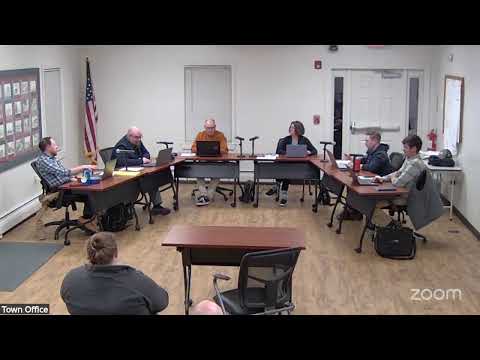
The Newcastle Select Board on April 14 voted to place a referendum‑style question on the June 10 ballot asking voters whether the town should authorize borrowing to fund capital road projects, with initial language prepared to ask authority to borrow up to $900,000.
The action comes as town officials warned of possible delays in state revenue sharing if petitioners meet a mid‑June deadline to suspend the approved state budget for a popular vote. Town Manager Kevin Sutherland told the board petitioners need roughly 67,000 signatures by mid‑June to trigger a pause that could withhold municipal revenue from July until after the November election, creating a temporary cash shortfall for towns.
Why it matters: Newcastle staff said the town faces two separate fiscal shocks: an uncertain flow of state revenue and a roughly $400,000 change in how education subsidy is distributed after school‑fund reorganization. The school budget increase alone was described by the board as about 12 percent this year, creating a substantial upward pressure on local property taxes.
Finance committee member John Mills recommended matching the funding method to the service life of projects, arguing that longer‑lived capital improvements are appropriate for debt financing. "Match the funding to the service life of the project," Mills said, urging the board to consider bonding for major rebuilds and using reserves or annual budgeting for routine maintenance.
Board members discussed two approaches: (1) leave capital projects in the annual budget and pay from reserves or increased taxes this year, or (2) place a bond authorization on the ballot that would give the town flexibility to borrow and spread payments over several years. Supporters said the bond option would smooth year‑to‑year tax pressure and preserve the ability to continue work if state payments are delayed; others urged caution about long‑term debt.
The board also agreed to finalize ballot language and meet the deadlines for ordering absentee ballots and printed materials. Chair (title used in the record) and staff said precise wording and amounts will be set at the next meeting before ballots are finalized.
What’s next: The bond warrant language will be prepared for the board’s review at the next meeting; if voters authorize borrowing, the town would still return to voters or the board to decide whether and when to issue debt for particular projects. The board also asked staff to model scenarios showing tax impacts under different bonding and reserve uses.