Get Full Government Meeting Transcripts, Videos, & Alerts Forever!
Get email alerts on the Facilities And Strategic Plan topic
No spam. Unsubscribe anytime.
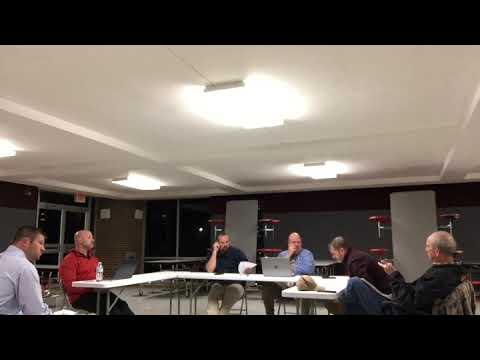
Pocahontas board reviews facilities fixes and a 10‑year strategic plan, weighs new high school options
Summary
At a work session, district leaders and the board reviewed ongoing roof and safety repairs, a draft 10‑year strategic plan and preliminary funding options for a possible new high school; administrators urged clearer timelines and public outreach before any millage or bond proposals.
Dr. Lance opened the Pocahontas School District work study and urged the board to adopt a written strategic plan to align curriculum, staff development and facilities over the next 3–10 years.
"We're preparing today for tomorrow," Dr. Lance said, describing four draft priorities: academic excellence and innovation; empowering educators and leaders; a safe and supportive environment; and building for the future. He asked the board to approve a framework that would include deadlines and who is responsible for each goal.
Craig, the district facilities lead, gave a status report on current work: contractors repaired several leaks at MD Williams and the junior high in early December, but remaining leaks persist in a classroom near the main building, along the visitor side of the gym and at one spot by the business building. He said crews will return as needed until the problems are fixed.
Board members pressed for sequencing: several said a decision on where to site a new high school should be resolved first to avoid spending on projects that might be moved. "If we moved everything forward and said, ‘let's use the ground over at the elementary school,’ then that's all been moved, so let's not spend however much money it's going to take now," one member warned.
Administrators said the state review timeline will be decisive. The district reported it is tentatively in line for roughly $7.5 million in state partnership funding for a replacement high school but cautioned that the amount and per‑square‑foot rules are not final until the legislature and state facilities office complete their reviews in April–May. The board discussed options including using savings, borrowing, or staging construction so smaller projects can proceed while the high‑school plan is finalized.
Members also debated configuration tradeoffs tied to state rules: new construction often requires space such as an auditorium and a gym that meet state standards, while an addition can avoid some requirements but limits how the new building is configured. Several board members said they prefer a plan with deadlines and clear public communication before returning to voters on any millage or bond proposal.
The administration proposed a public engagement strategy that would include targeted outreach to nonnative English families and additional local meetings to explain cost scenarios and long‑term maintenance impacts. The board agreed to continue developing the strategic and facilities plan and return with more detailed options once the state funding picture firmed up.
The board did not take any formal votes on the strategic plan or high‑school siting at the session. The administration said it will bring updated cost estimates and two build options (replace on the existing footprint and build adjacent then demolish) for board review after state funding is finalized in spring.