Get Full Government Meeting Transcripts, Videos, & Alerts Forever!
Get email alerts on the Compensation topic
No spam. Unsubscribe anytime.
Consultants tell Natrona County its pay ranges lag at mid and top tiers; recommend 26‑grade salary structure
Summary
Baker Tilly presented a five‑phase compensation and classification study recommending a consolidated 26‑grade pay plan, career ladders and implementation scenarios. The consultant found Natrona competitive at range minimums but 6% below market at midpoints and 10% below at maximums, and outlined maintenance tools and costs.
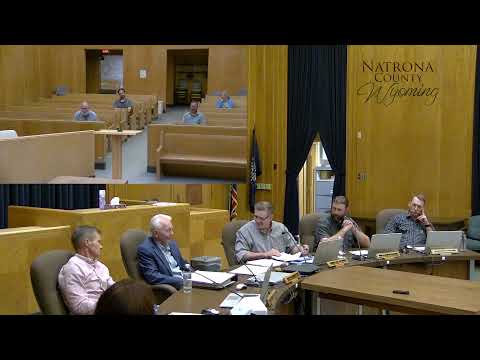
Natrona County commissioners were presented with a comprehensive classification and compensation study on Tuesday that aims to create a consistent, data‑driven pay structure for county employees.
Sarah Town, a senior manager with Baker Tilly, walked the commission through a five‑phase process the firm used to evaluate job description content, perform job evaluation, benchmark pay against 10 public peers and three published sources, and design implementation options. "The study does not occur in a vacuum," Town said, noting the work builds on previous county initiatives and extensive department‑level participation.
The market analysis found the county roughly 1.6% above market at pay‑range minimums but falling behind at midpoints (about 6% below market) and maximums (about 10% below market). Baker Tilly proposed consolidating the county's inconsistent 64+ range structure into 26 consistent grades with a defined step progression and a separate sheriff's office pay plan to preserve rank distinctions while remaining competitive in law enforcement markets.
Town said the deliverables include not only pay ranges but tools for long‑term maintenance: career ladders, a compensation administration guide, benefits comparison, and recommended policy language for future market studies. "A well‑designed salary structure is ultimately a governance tool," she said. "It gives a framework for recruitment, retention and predictable service delivery."
Commissioners pressed the consultants on comparator choices for law enforcement and how the plan would address exceptional "rockstar" performers. Town explained peer agencies were selected with department head input and that job descriptions and at least 75% duty overlap were used to ensure apples‑to‑apples matches. On star performers, Baker Tilly and county HR staff said the pay plan establishes the baseline structure and that separate merit, promotion or market‑based adjustments can be layered on through county policy.
County HR staff emphasized the plan is advisory rather than a binding contract on future boards, but said adopting a structure would give the commission a predictable foundation for annual decisions such as step increases or cost‑of‑living adjustments. Commissioners repeatedly raised the budgetary question: how will the county pay for increases? HR and consultants said implementation scenarios in the packet include five‑year cost projections and options for phased implementation.
The presentation concluded with staff offering to draft a compensation policy that translates the study's recommendations into administrative practice. Commissioners asked for additional detail about fiscal impacts, employee communications and how elected offices that control their own staff would be encouraged to align with the county framework. The staff said they will continue follow‑up with department heads and elected officials before any formal adoption vote.
The county received the report packet from Baker Tilly and the consultants will be available to answer more detailed technical questions at follow‑up meetings.