Get Full Government Meeting Transcripts, Videos, & Alerts Forever!
Get email alerts on the Housing Policy topic
No spam. Unsubscribe anytime.
Council defers adoption of two-year goals after wide debate over housing priorities
Summary
Councilors spent more than an hour debating housing priorities in the proposed two-year goals for FY2026'028, including production vs. rehabilitation, staffing needs and timing for SDC updates; they declined to adopt the plan and asked staff for refined wording and a housing work session.
Monmouth 'Monmouth, Oregon'
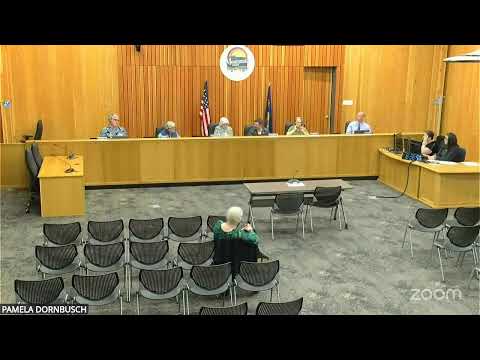
The City Council paused adoption of its proposed two-year fiscal goals Tuesday after an extended discussion focused on housing policy, staffing capacity and how best to prioritize projects.
Staff presented the draft goals as a two-year set covering July 1, 2026 through June 30, 2028; the housing section includes four action areas ranging from advancing specific affordable-housing projects (3.1) to reviewing ordinances to promote rehabilitation of existing housing stock (3.4). "These are two-year goals and ... it's for the fiscal year starting July 1st, 2026," staff said.
Councilors debated whether to emphasize production or rehabilitation. Several members said production should be a near-term priority because projects such as the Riddle Road 126-unit apartment development are already coming online, while others urged focus on derelict properties, code enforcement and rehabilitation to improve neighborhood livability. Councilor Lopez suggested changing the housing subtitle to "reduce barriers to and increase production of affordable housing," and Councilor Rididgeway and others urged a clearer sequencing tied to staff capacity.
Why it matters: the goals framework determines staff planning and the initial budget presentation; some housing actions would require additional staff time or consultants and could carry a budget impact. Suzanne (staff) and councilors discussed timing for SDC (system development charge) updates and whether to align regulatory changes with utility master planning work.
Key details from the exchange included: the senior-housing project and the Moderate Income Revolving Loan (MARL) program were cited as in-progress priorities; staff flagged that some housing-code enforcement language may need legal review before enforcement; councilors recommended splitting larger tasks across FY27 and FY28 if needed and building a clearer monitoring and re-prioritization process.
Next steps: councilors asked staff to refine goal language (including whether to use "needed" vs. "affordable" housing terminology), to draft options that reflect realistic staffing capacity, and to schedule a housing work session and quarterly reporting to track progress. The council did not adopt the full plan Tuesday and will revisit the goals after staff revisions and a targeted work session.
The discussion underscores the trade-offs small city staff face when balancing proactive housing production, rehabilitation and enforcement work across constrained budgets.