Get Full Government Meeting Transcripts, Videos, & Alerts Forever!
Get email alerts on the School Maintenance topic
No spam. Unsubscribe anytime.
Winthrop board hears extensive maintenance needs and seeks larger FY27 capital allocation
Summary
Maintenance lead presented an architectural-study-driven list of deferred projects — HVAC automation, roof work, playground and drainage repairs — and urged the board to increase the capital-improvement line, citing a $260,000 grade-school heating automation and other multi-hundred-thousand-dollar needs.
The Winthrop School Board heard a detailed maintenance briefing that laid out years of deferred work and argued for a larger capital-improvement allocation in the FY27 budget.
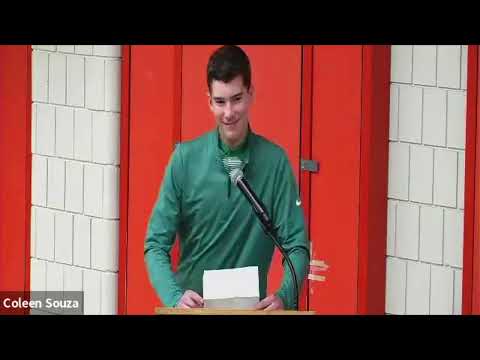
Joel Stone, the district maintenance lead, told the board the list of projects stems from a prior architectural study and from items that have reached the end of their useful life. “Most of these things were identified by an outside organization,” Stone said, describing a prioritized spreadsheet that ranks projects one through five by urgency. He said the district has relied on leftover funds and outside grants for past repairs but that predictable, ongoing funding is now necessary.
Stone highlighted several high-cost items the district faces: an estimated $260,000 package for heating automation at the grade school, a $400,000-scale project referenced for broader heating upgrades, replacement sections of the middle school roof, intercom and drainage repairs at central office and a deteriorated playground area that has started to collapse. He described a list of near-term fixes (door replacements, glycol system work, MEC/HVAC controller replacements) and recurring costs — for example, chairlift repairs costing $5,000–$7,000 annually when the unit breaks down.
Dr. Foley and board members said they plan to fold these priorities into FY27 planning. The superintendent reminded the board that the district is proposing to increase the capital-improvement line by $50,000 a year and that a $100,000 cushion buys little given the number and size of high-priority projects. “It’s easy to ignore maintenance, but it costs much more when you react later,” a board member said.
Stone said some needs are moving targets: emergent failures (playground collapse, new code-driven heating requirements) can push other items up the list. He also described logistics: the original architectural study was commissioned five to six years ago and the district maintains an electronic, prioritized list staff can sort by urgency.
What happens next: the maintenance priorities will inform the initial FY27 budget discussion at the district’s next budget meeting. The board did not vote on any capital allocations at this meeting.