Get Full Government Meeting Transcripts, Videos, & Alerts Forever!
Get email alerts on the Municipal Budget topic
No spam. Unsubscribe anytime.
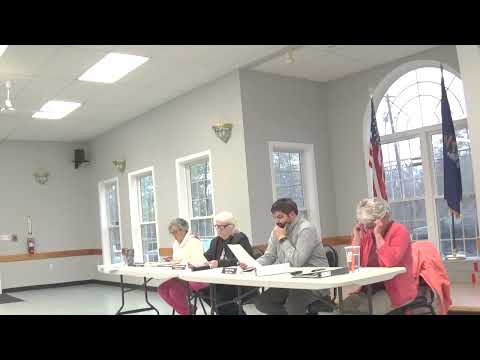
West Bath budget hearing lays out town, county and school figures; debate on capital reserves and unexpended funds
Summary
Town staff presented proposed municipal, county and school budgets and a series of articles on tax dates, interest rates, transfers of unexpended funds and capital reserves. Residents questioned rolling surplus money into capital funds while the tax rate rises; town administrator explained reserve use to avoid borrowing costs.
At the start of the meeting the moderator read a long slate of budget‑related articles covering tax policy, fund‑balance use, and appropriations for town operations and schools.
Julie (town administrator) provided baseline numbers when asked: combined prior‑year totals were given as roughly $7.38 million and the proposed total about $7.56 million; the mill rate was stated to have risen from 8.2 to an estimated 8.6 based on prior valuations. The town portion of the operating budget was reported to show an approximate 8.97% decrease from the prior year, while county assessments rose about 9.88; school appropriations were presented separately and total school budget figures were read later in the meeting.
Several articles described municipal mechanics: setting Oct. 15, 2025 as the tax due date and authorizing a 7.5% maximum interest on unpaid taxes under 36 MRSA §505‑4 (Article 4); setting town refund interest at 3.5% under 36 MRSA §506‑A (Article 5); and authorizing the select board to apply for grants, accept conditional gifts and dispose of surplus property under various statutory citations.
Debate over Article 24 (transferring unexpended public works funds to a public works capital fund) and Article 33 (transfer of $50,000 to replenish the long‑term capital reserve) drew substantive pushback. Residents asked why unspent funds would be rolled into capital reserves when the town maintains an investment fund (figures cited at roughly $600,000–$700,000) and when taxpayers face higher mill rates. Supporters of the capital transfers argued that the capital fund avoided high interest borrowing — an example cited was a short tax anticipation note at about 7% last year — and that keeping reserves helps smooth future spikes and pay for projects such as school roofs without bond interest.
Articles 35–51 covered the school budget line items: general education ($2,828,360 for K–5 regular instruction and related costs), special education, career/technical education participation, transportation ($195,634.96), facilities maintenance ($237,736), and summary approval of a total school budget of approximately $4,891,458.73, with the town’s local contribution and additional local funds specified in the articles. Officials clarified the state’s Essential Programs and Services formula and that certain costs — for example, special education, tuition and transportation — are counted on top of the state‑modeled essential allocation.
No formal votes are recorded in the transcript supplied; the meeting proceeded from general budget readings into extended public comment and debate about capital reserves and library funding.