Get Full Government Meeting Transcripts, Videos, & Alerts Forever!
Get email alerts on the Municipal Finance topic
No spam. Unsubscribe anytime.
Walton Hills officials preview ordinance to allow later reimbursement of capital spending
Summary
At a Committee of the Whole meeting, advisors and council members discussed a proposed ordinance that would let the village spend on capital projects now and later reimburse those costs from anticipated grants or debt proceeds; staff were asked to prepare the form for June consideration within two weeks.
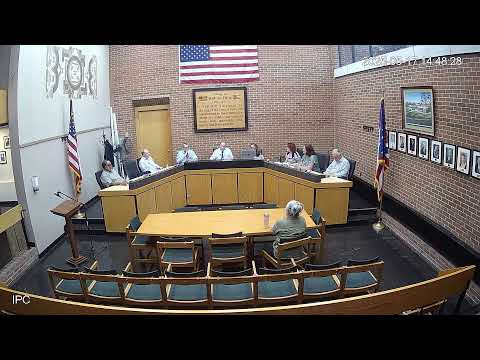
Walton Hills officials discussed a proposed ordinance that would let the village pay for capital projects from current funds and later reimburse those expenditures with grant or debt proceeds, officials said at a Committee of the Whole meeting.
The village advisor, speaking about a draft "declaration of intent to reimburse," described the ordinance as a flexible safeguard rather than a requirement. "If we have in place the declaration of intent to reimburse ourselves, you could come out of pocket in June for $300,000," the advisor said, using a hypothetical example to explain timing and mechanics. He added the ordinance "gives you the luxury" of reimbursing those costs when grant proceeds or debt proceeds arrive.
Why it matters: the declaration prevents the village from losing the ability to reimburse past expenditures if staff spend local funds before receiving grant dollars. Officials said the declaration must be filed before reimbursable spending occurs and that the form is typically completed for each project (it may group items, for example, "road improvements: 10 streets"). The advisor cautioned that federal tax rules limit retroactive reimbursements unless the declaration is on file.
Officials described how short-term notes are priced and the role of credit enhancement for smaller issuers. "My job is to get you the lowest interest rate," the presenter said when explaining how the village hires an underwriter and may use the Ohio Market Access Program to improve short-term ratings and lower yields. The presenter described the program as a form of credit enhancement similar to bond insurance that helps smaller entities access institutional investors.
Several council members asked procedural questions about the filing and timing of the form. One committee member said, "I wouldn't have an issue passing a declaration of intent at this June meeting," calling it a "safety net." Officials asked staff to prepare the ordinance form quickly; the village advisor and others recommended a two-week turnaround so the item could be included for consideration at the June meeting.
What was not decided: the transcript contains questions, clarifications and expressions of tentative support but does not record a formal vote on the reimbursement ordinance or identify a mover or seconder for such a motion.
Next steps: staff were asked to draft the declaration form for council review, with an ideal deadline of about two weeks so the ordinance can be placed on the June agenda.